
Reviewed · GOBI DESERT TOURS
14 days Combination of Gobi and Central Mongolia
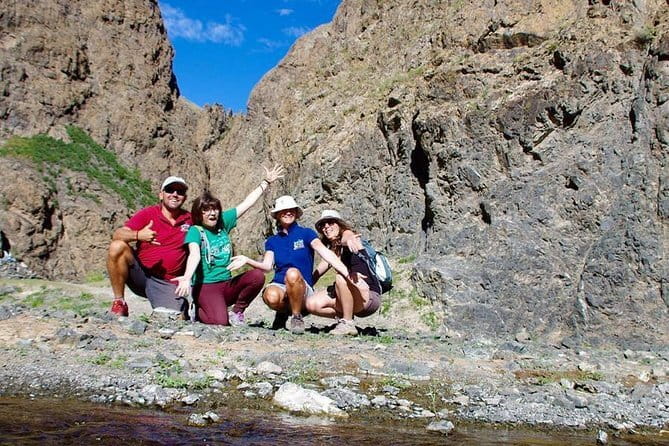
The most memorable part of this 14-day Mongolia tour is the change of worlds. You move from bare Gobi cliffs and singing sand dunes to grassy valleys, hot springs, volcanic craters, and the ruins of the Mongol Empire. One morning, your tent may be surrounded by camels. Another, sheep or curious foxes may be close by.
I like the strong mix of nature and living culture. You are not simply driving from one scenic stop to another: there is time for camel riding, a full day in the Orkhon Valley, a hot spring visit, hiking, and contact with local families. I also like the route’s historical sweep, from dinosaur discoveries at Bayanzag to Kharkhorin and Erdene Zuu.
The main caution is the amount of time on the road. Several days include long drives, and camping is basic. You need moderate physical fitness and a willingness to handle dust, uneven ground, changing weather, and simple facilities.
Key points at a glance
- Two sides of Mongolia: See the Gobi Desert and the greener central provinces in one carefully packed route.
- Camel time at Khongoryn Els: Spend 2 to 5 hours riding a two-humped camel, with a full day at the dunes.
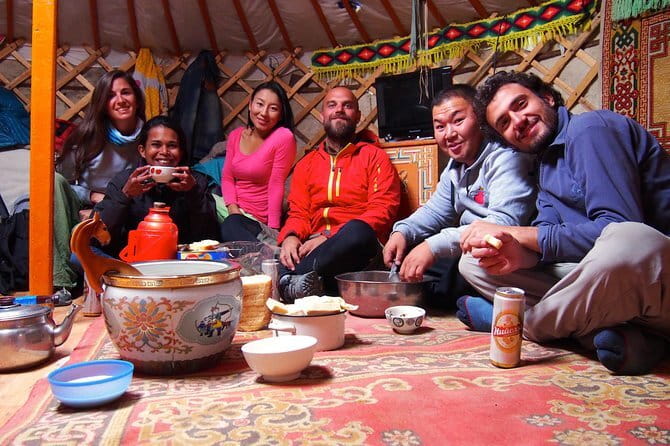
- Camping close to local life: The overnight setup includes a tent, mattress, sleeping bag, and meals, with time spent among nomadic families.
- Dinosaur country at Bayanzag: Visit the Flaming Cliffs, famous for Roy Chapman Andrews’ discovery of a dinosaur egg nest.
- Volcanoes and hot water: Combine Tsenkher Hot Spring with Khorgo volcano and Terkhiin Tsagaan Lake.
- A small group size: The maximum group is 12, a useful limit on a trip with long drives and outdoor stops.
What the $2,025 price really covers
At $2,025 per person, this is not a cheap weekend outing. It is a nearly two-week trip with meals, camping gear, park and attraction fees, and transport between widely scattered parts of Mongolia.
The price includes 13 breakfasts, 13 lunches, and 12 dinners. It also covers a sleeping bag, tent, mattress, and all listed fees and taxes. That matters in Mongolia, where the distances between sights are substantial and arranging separate transport, meals, camping equipment, and local stops would be difficult.
The value comes from the route rather than from luxury. This is an active circuit, not a hotel-based holiday. You are paying to connect remote places that would be awkward to reach independently, with practical support for eating and sleeping along the way.
Travel insurance is not included, so you need to arrange that yourself. The tour is generally booked about 51 days ahead, which is a useful indication that planning early may be sensible for a fixed departure.
More gobi desert tours in Ulaanbaatar:
- Ulaanbaatar: Semi-Gobi Desert Day Trip & Camel Ride
★ 4.0 · 92 reviews - From Ulaanbaatar: Semi Gobi, Nomads, Ancient Kharkhorin Tour
★ 4.6 · 84 reviews - 1 Day Semi-Gobi All-included tour
★ 4.0 · 69 reviews
Days 1 and 2: Granite at Baga Gazariin Chuluu and Tsagaan Suvarga
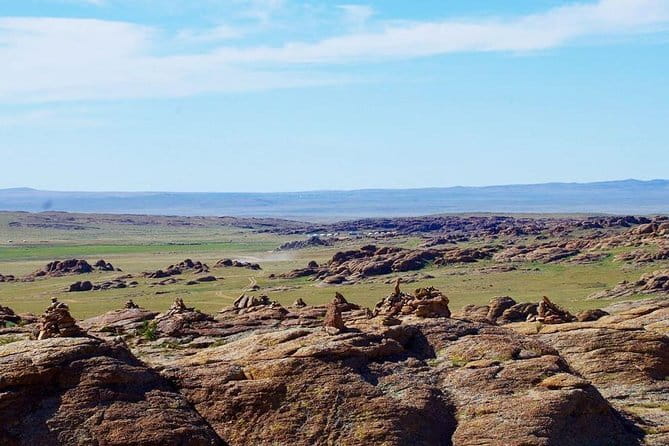
The trip begins with an early drive to Baga Gazariin Chuluu in Dundgovi Province. After hours across open plain, the granite formations provide a sudden change in texture. The highest mountain in the area rises to 1,768 meters, with a long spread of granite rock surrounded by broad, spare country.
You have about 12 hours assigned to the first day, so the driving is a major part of the schedule. That is typical for this route. The reward is a first look at Mongolia’s scale, where a rock formation can feel like an entire destination because there is so little around it.
On Day 2, Tsagaan Suvarga, or White Stupa, brings a different kind of scenery. Natural erosion shaped the impressive cliffs, which look like pale ruins from a distance. The stop lasts about three hours, giving you time to walk around and view the formations from different angles.
The name comes from local people, and the place is associated with the meeting point of the Middle Gobi and southern Gobi regions. If you enjoy geology and broad views, this is a strong early stop. If you prefer busy cultural sites, the first two days may feel quiet and road-heavy.
Days 3 to 5: Three Beauty Mountains and Khongoryn Els
Day 3 takes you toward Gobi Gurvansaikhan National Park, passing Dalanzadgad, the capital of Umnugobi Province. The Three Beauty Mountains are the easternmost part of the Altai mountain system and provide a cooler, more rugged contrast to the open desert.
The route includes Yoliin Am Valley, where unusual rock formations support bird and plant life. The valley is one of the places where the Gobi feels less like an empty desert and more like a varied natural region. Hiking here gives your legs a break from the vehicle and lets you pay attention to smaller details.
The itinerary allows about two hours at the national park, although the broader tour description also highlights hiking through Yoliin Am. Ask the operator how much walking is planned on your departure, since the exact pace may depend on road and weather conditions.
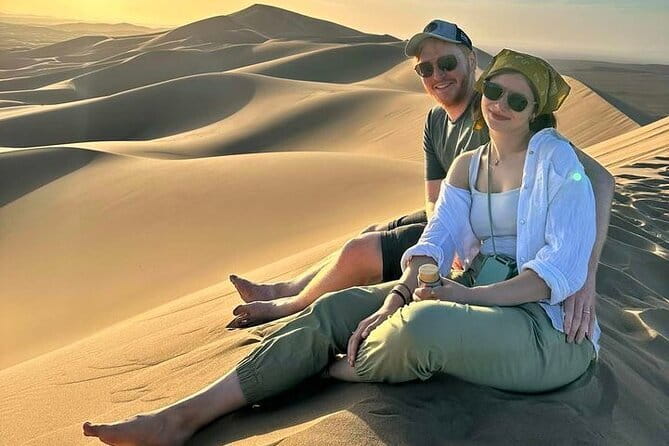
On Day 4, you reach Khongoryn Els, one of the tour’s major highlights. The shifting dunes extend about 180 kilometers, reach roughly 400 meters in height, and spread up to 20 kilometers wide. Higher mountains surround them, while strips of green vegetation appear along the edges.
The dunes are visually dramatic, but they also demand effort. Climbing sand is harder than walking on a firm trail, especially under sun and wind. The reward is a wide view over one of the Gobi’s defining sights.
Day 5 is set aside for camel riding, with no driving planned. The listed ride lasts 2 to 5 hours, while the general tour description describes 2 to 4 hours a day. You ride a two-humped camel and may cross the dunes, with lunch along the way.
This is one of the best design choices in the route. Many desert tours rush in, take photographs, and leave. A full day gives you time to settle into the slower rhythm of the dunes. It also means you should be comfortable sitting on a camel for several hours. If that sounds uncomfortable, confirm the available shorter option before booking.
Days 6 and 7: Dinosaur fossils and the ruins of Ongi Monastery
Bayanzag, known in English as the Flaming Cliffs, is reached on Day 6. The red formations were shaped 60 to 70 million years ago and are famous for the dinosaur fossils found there. Roy Chapman Andrews discovered the first known nest of dinosaur eggs in this area, giving the stop a clear place in the story of paleontology.
The visit lasts about three hours. The attraction is not a museum filled with displays, but the actual setting where important discoveries were made. You need to bring your imagination along with your camera. The cliffs and saxaul shrubs create a striking scene, though the site itself is exposed and simple.
The next morning, the route heads to Ongi Monastery. Founded in 1660, Ongi Khiid was once among Mongolia’s largest monastic centers, with temple complexes north and south of the Ongi River. The remaining ruins and restored elements tell a quieter story than the grand monastery complex at Erdene Zuu.
This stop adds historical depth after several days of natural sights. It also breaks up the desert portion before the route turns north toward central Mongolia. The planned visit is about three hours, but much of the day will again be spent traveling.
More central mongolia tours in Ulaanbaatar:
- From Ulaanbaatar: Central Mongolia Guided 3-Day Tour
★ 4.6 · 186 reviews - Ulaanbaatar: Small Group 3-Day Best of Central Mongolia Tour
★ 4.1 · 171 reviews - Central Mongolia Guided 3-Day Comfortable Tour
★ 4.5 · 37 reviews - 4 Day Best of Central Mongolia tour, Chinggis Khan statue
★ 4.8 · 21 reviews
Days 8 and 9: Two days in the Orkhon Valley
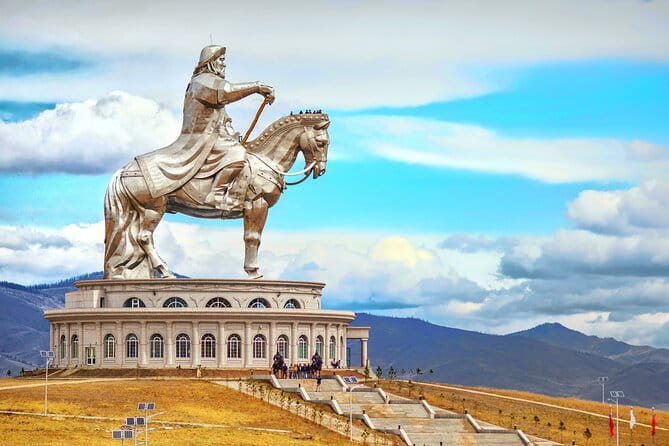
Orkhon Waterfall marks the shift from desert to central Mongolia. The waterfall formed through volcanic activity and sits in the Orkhon Valley, beside Mongolia’s longest river, the Orkhon.
The stop itself is scheduled for about three hours on Day 8, but the real advantage is staying in the area for a second day. Day 9 has no driving planned. You can hike, ride a horse, fish, and spend time learning about nomadic life.
The tour includes an opportunity to see how dairy products are made, a small but important detail. It connects the scenery to daily work. You are not just looking at open grassland; you are seeing how people use animals, land, and seasonal routines to live.
Camping here is likely to be one of the most personal parts of the trip. The included tent, mattress, and sleeping bag keep the setup practical, but this is still outdoor travel. One especially useful detail is the chance to wake up near livestock. Camels, sheep, and even foxes may come close to camp, so keep food stored and your belongings organized.
A full non-driving day also helps you recover from the road. Horse riding and hiking require moderate fitness, but you are not expected to maintain a hard pace all day. Ask your guide about the available options when you arrive.
Day 10: Soaking at Tsenkher Hot Spring
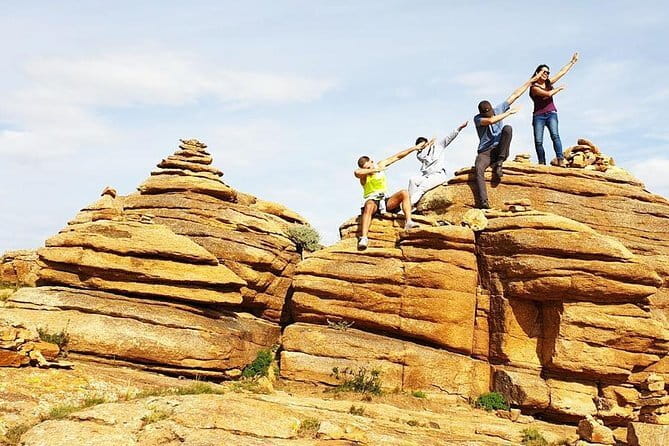
After breakfast, you drive to Tsenkher Hot Spring. The water reaches about 86 degrees Celsius at its source, with a strong flow, high alkalinity, and relatively high fluoride content. The spring has long been important in Mongolian traditional medicine.
The listed duration is 12 hours, so this is another long travel day with the hot spring as the main reward. Do not read the 86-degree figure as a bathing temperature. The usable pools are intended for soaking, but the source itself is far too hot.
This stop adds a restful note after the outdoor activity in the Orkhon Valley. It is also a good reminder that Mongolia’s attractions are not limited to sand and rock. Still, the day is not a spa holiday. You will spend much of it getting there and onward, and the facilities are best approached as part of a rural tour rather than a luxury resort stay.
Days 11 and 12: Volcanic Khorgo and Terkhiin Tsagaan Lake
The route continues to Khorgo Terkhiin Tsagaan Nuur National Park. On the way, you see Chuluut Gorge, volcanic craters, pine-covered lava fields, grazing yaks, and the Great White Lake, known in English as Terkhiin Tsagaan Lake.
Day 11 is scheduled for about six hours. The changing scenery should make the drive worthwhile, especially after the desert portion of the trip. The combination of dark lava, pine, water, and livestock gives this part of Mongolia a very different feel.
On Day 12, you hike toward Khorgo volcano. The volcano erupted about 8,000 years ago, leaving craters and lava formations that shape the park today. The planned hike lasts around four hours, so sturdy footwear and reasonable fitness are important.
This is one of the route’s strongest nature sections because it gives you several features in one place. You are not only seeing a lake or a volcano. You are walking through the remains of an eruption while looking across water and highland country.
The schedule also gives you more time outside the vehicle than many long-distance tours. Still, facilities and conditions are not described in detail, so pack for basic outdoor travel and changing weather.
Days 13 and 14: Kharkhorin, Erdene Zuu, and wild horses
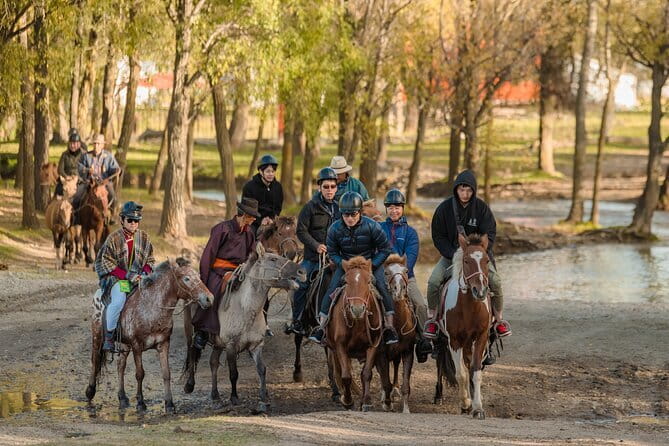
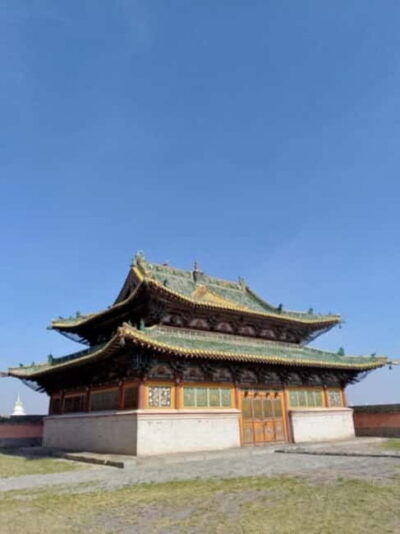
Day 13 takes you to Kharkhorin, the site of the 13th-century capital of the Mongol Empire. The visit includes Erdene Zuu Monastery and a local museum with exhibits connected to the Great Mongol Empire.
Kharkhorin gives the tour its clearest historical focus. After seeing archaeological and religious sites in the Gobi, you reach a place tied directly to the political center of the Mongol Empire. Erdene Zuu adds a major religious site to the route, while the museum helps provide context.
The day is listed at 12 hours, so once again, expect a long transfer combined with sightseeing. The admission ticket for Kharkhorin is listed as free, but the tour still includes the stop as part of the organized route.
On the final day, you visit Hustai National Park, established in 2003. The park is known for the reintroduction of the takhi, or Mongolian wild horse. The reintroduction project began in 1992, and the information center explains the work behind bringing these horses back to Mongolia.
The park visit is scheduled for about seven hours. It is a fitting final nature stop because the takhi is not a domestic horse used for riding. It represents a conservation effort tied to Mongolia’s own wildlife and identity.
After lunch, you continue to Ulaanbaatar. The route may include a stop at a Gobi Factory cashmere shop before hotel check-in. That final shopping stop is optional in spirit, but it can be useful if you want a practical souvenir after two weeks of remote travel.
Camping, food, and the pace of the route
The included camping equipment is basic but important: tent, sleeping bag, and mattress. You also receive most meals, with 13 breakfasts, 13 lunches, and 12 dinners included. That removes much of the daily planning, especially on long transfer days.
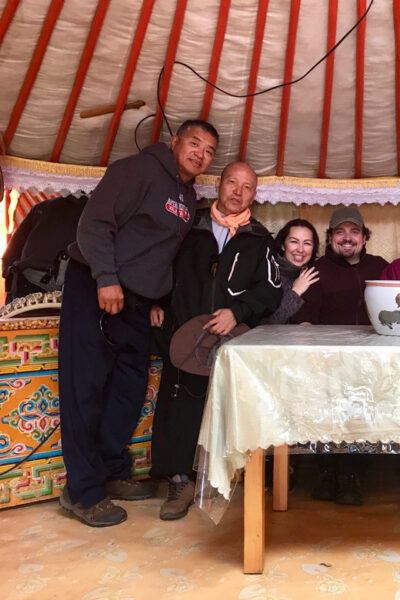
The trip’s strongest human element is time spent with local people and seeing ordinary life around the camps. You may wake near a large herd of sheep or camels, and foxes may investigate the outside of your tent. These moments are not staged attractions. They are part of accepting the setting and its routines.
You should still choose this trip only if you can handle simple camping. The description does not promise private rooms, hotel nights, or high-end facilities. A sleeping bag and mattress are supplied, but you should confirm what personal camping items you need to bring.
The pace is active. Day 1, Day 10, and Day 13 are each listed at 12 hours, and several other days combine long drives with walking. The maximum group size of 12 keeps the group fairly small, but it does not remove the distances.
Who should book this Mongolia tour?
I would recommend this route to you if you want a broad first look at Mongolia and are willing to trade comfort for access. It covers desert, mountains, a volcanic lake, a waterfall, hot springs, monasteries, ancient imperial history, and wildlife in a single trip.
It is especially suitable for people who want real outdoor time rather than a string of quick photo stops. The no-driving days at Khongoryn Els and Orkhon Valley make a difference. So do the camel ride, the horse-riding opportunity, and the hike near Khorgo.
I would hesitate if you need predictable hotel accommodation, short transfer days, or easy access to facilities. The tour requires moderate physical fitness, and weather can affect the program. The operator offers a different date or a full refund if poor weather forces cancellation, while your own cancellation is fully refundable only when made at least 24 hours before the start time.
Should you book it?
Book this tour if the idea of waking among camels, walking across desert dunes, meeting local families, and then soaking in a hot spring sounds better than a polished resort itinerary. At $2,025, the value is strongest for the range of places covered and the meals and camping gear already included.
Skip it if you want Mongolia in comfort or dislike long drives. For an active visitor with two weeks to spare, this is a well-rounded route that shows Mongolia as a lived-in country, not just a collection of famous views.
FAQ
How long is the tour?
The tour lasts approximately 14 days, beginning and ending in Ulaanbaatar.
What is the maximum group size?
The maximum group size is 12 travelers.
Is pickup offered?
Yes, pickup is offered.
What meals are included?
The tour includes 13 breakfasts, 13 lunches, and 12 dinners.
Is camping equipment provided?
Yes. A sleeping bag, tent, and mattress are included.
Is travel insurance included?
No. Travel insurance is not included in the tour price.
How much camel riding is planned?
Camel riding at Khongoryn Els is listed as lasting 2 to 5 hours. The general tour description states 2 to 4 hours per day.
Is there a day without driving?
Yes. Day 5 at Khongoryn Els and Day 9 in the Orkhon Valley are listed as no-driving days.
What fitness level is required?
You should have a moderate level of physical fitness. The itinerary includes hiking, camel riding, possible horse riding, and long days on the road.
What is the cancellation policy?
You can receive a full refund if you cancel at least 24 hours before the experience start time. Cancellations or changes made within 24 hours are not accepted for a refund. If poor weather causes the operator to cancel, you will be offered another date or a full refund.
Just added around Ulaanbaatar
- Ulaanbaatar: 4-Day Central Mongolia Winter Tour★ 5.0 · 3 reviews
- Ulaanbaatar Signature Tour – Mongolia’s Capital in One Day★ 4.3 · 3 reviews
- A Day Authentic Mongolian Trip near Ulaanbaatar all-inclusive★ 5.0 · 3 reviews
- Transfer service to Terelj national park★ 5.0 · 3 reviews
- Private – Ulaanbaatar City Tour★ 3.5 · 3 reviews
- Private Departure Transfer: Ulaanbaatar Airport★ 4.5 · 3 reviews
- Private Tandem Paragliding Experience at Bayanzurkh Mountain★ 5.0 · 3 reviews
- Essence of Mongolia 5 Days★ 5.0 · 3 reviews
Gobi Desert Tours, compared.
Ulaanbaatar: Semi-Gobi Desert Day Trip & Camel Ride
Read our review →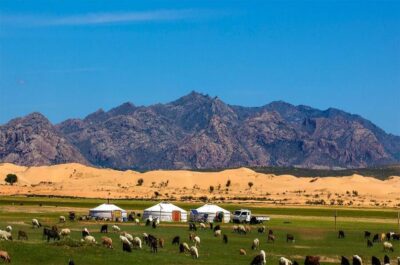
From Ulaanbaatar: Semi Gobi, Nomads, Ancient Kharkhorin Tour
Read our review →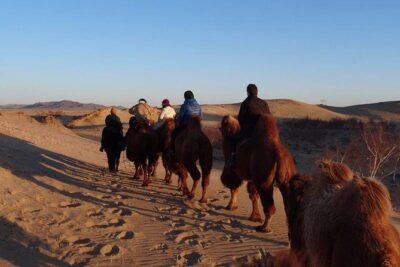
From UB: 2-Days Tour to Kharhorin and sand Semi Gobi
Read our review →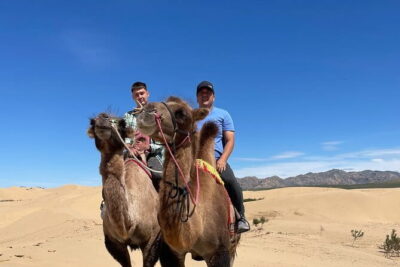
Semi-Gobi and Kharkhorum overnight private trip
Read our review →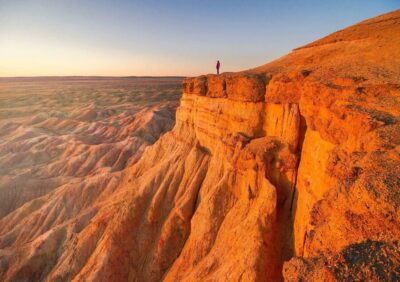
Travel to Gobi by train Visit World energy Center
Read our review →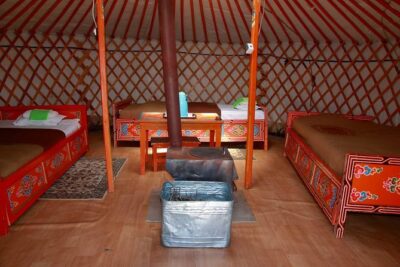
Browse the lists this tour appears in