
Reviewed · CENTRAL MONGOLIA TOURS
Central Mongolia Guided 3-Day Comfortable Tour
The best part of this trip is how much Mongolia it packs into three days. You move from open steppe to the Semi-Gobi Desert, then on to Kharkhorin, the former capital of the Mongol Empire, with camel and horse rides in between.
I like the mix of real cultural contact and easy logistics. You eat dinner with a nomad family, yet sleep in tourist gers with electricity, showers, and Wi-Fi. The second big plus is value: $480 covers transport, an English-speaking guide, meals, park and museum tickets, camel riding, horse riding, and two nights in ger camps.
The main drawback is the pace. You spend plenty of time in the car, and the gers are shared, with three or four beds per room and separate sleeping gers for men and women. From October through May, camel rides in the sand are also restricted.
Key points at a glance
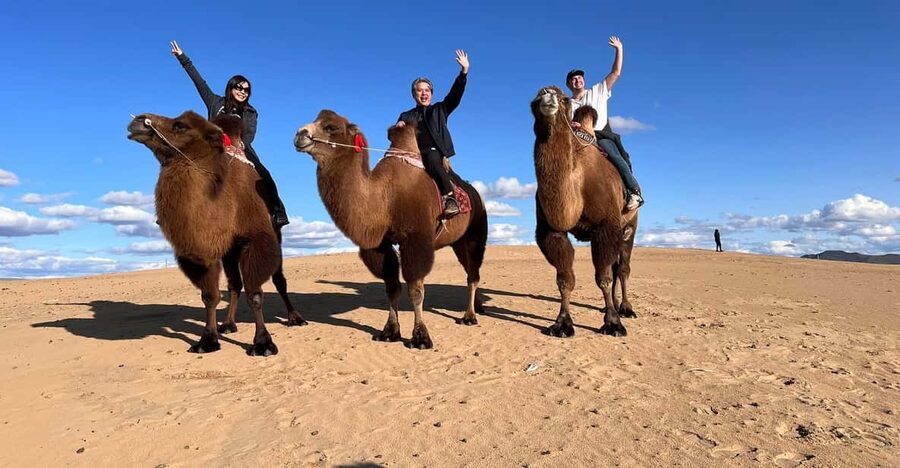
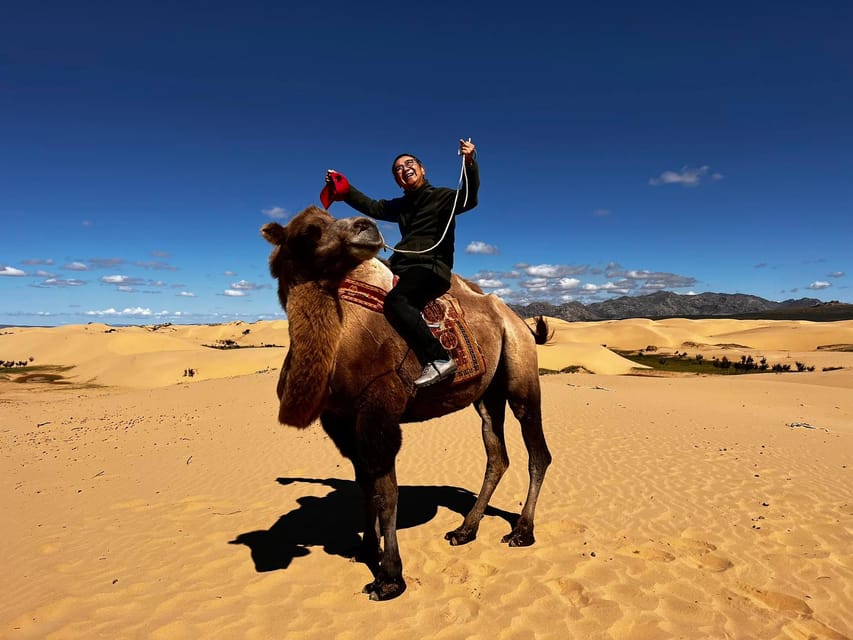
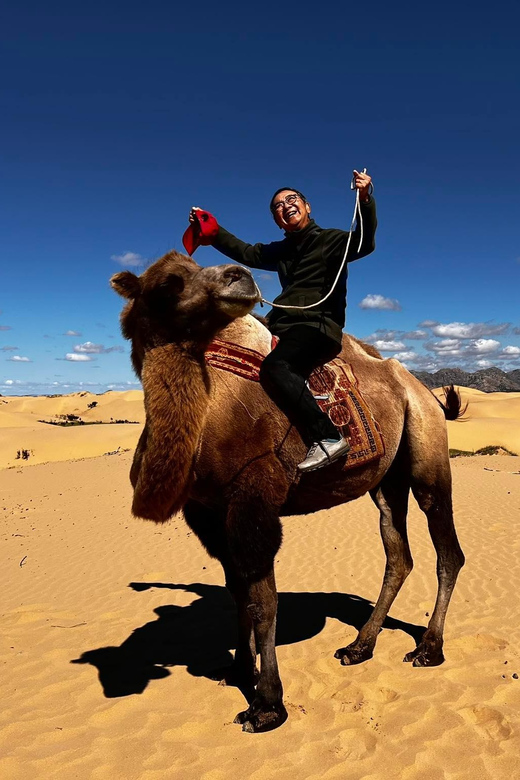
- Semi-Gobi camel ride: Ride a two-humped Mongolian camel among dunes and dry country, with mountains nearby.
- Kharkhorin and Erdenezuu: Visit the old imperial capital, museum, ruins, and one of Mongolia’s most important monasteries.
- Nomad family dinner: Share an evening meal in a family home, one of the most personal parts of the trip.
- Horse ride in Khugnu Tarna: Spend time on horseback in a national park where desert and mountain country meet.
- Comfortable but shared sleeping: Tourist gers include showers and electricity, but beds are shared and men and women sleep separately.
- Strong practical organization: Pickup is scheduled for 8:30 to 9:00 a.m., and a verified August 2025 booking praised the punctual pickup and well-informed guide.
Why this three-day route works
Central Mongolia is too large for tidy sightseeing. Even the major stops are scattered across broad stretches of steppe, so a short tour needs a sensible route. This one links Töv with the Semi-Gobi, Kharkhorin, Orkhon Valley country, and Khugnu Khan National Park without trying to cram in every famous site.
I see this as a good first taste of Mongolia. You get the classic images: camels by the dunes, horses near the mountains, white felt gers, monastery courtyards, and the wide empty country between towns. You also get enough structure to avoid arranging every transfer and meal yourself.
The trip begins with hotel pickup in Ulaanbaatar between 8:30 and 9:00 a.m. The exact driving time is not provided, but you should expect a substantial road day. That matters in Mongolia, where distances are long and the scenery changes slowly. Bring water, snacks, and something to occupy you during the drive, even though 1.5 liters of water per day is supplied.
The route is not designed for a small city break with constant stops. It is designed to show you how central Mongolia feels. The road itself is part of the experience, though it can also be tiring.
More central mongolia tours in Ulaanbaatar:
- From Ulaanbaatar: Central Mongolia Guided 3-Day Tour
★ 4.6 · 186 reviews - Ulaanbaatar: Small Group 3-Day Best of Central Mongolia Tour
★ 4.1 · 171 reviews - 4 Day Best of Central Mongolia tour, Chinggis Khan statue
★ 4.8 · 21 reviews
Day 1: From Ulaanbaatar to the Semi-Gobi
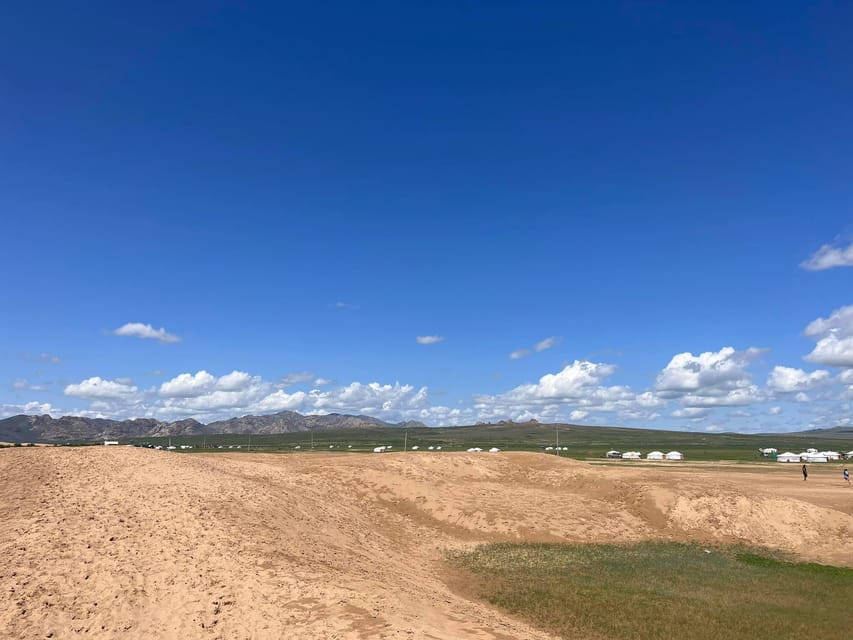
The first day carries you out across the Mongolian steppe toward the Semi-Gobi Desert. The name tells you what to expect: sandy, dry sections mixed with grassland and backed by mountains. It is not a huge ocean of sand. That variety is exactly what makes the area interesting.
The camel ride is the day’s main event. Mongolia’s camels are two-humped Bactrian camels, built for cold and dry conditions. Riding one gives you a slow, high view of the dunes and nearby hills. It is a very different experience from the faster horse ride planned for the following day.
You should wear closed shoes and practical trousers. Sand gets into everything, and the ride may feel awkward at first as the camel rises and kneels. The pace is intended for sightseeing, not speed. You will have time to look around and take photographs.
The seasonal note is important. From October through May, visitors cannot ride camels in the sand. The camel ride can instead take place near a nomad family. You still visit the Semi-Gobi and can walk or hike among the sand, but if the camel ride is the main reason you are booking, aim for the warmer tourist season.
After the desert stop, the route continues toward Kharkhorin. You spend the night at a tourist ger camp. Each ger has a shower, electricity, and Wi-Fi, which makes this a much easier introduction to nomadic-style accommodation than a fully basic camp.
The sleeping arrangement is less private than a hotel. A ger contains three or four beds, and you share with other people. Men and women sleep in separate gers. For me, this is a fair trade for staying in a traditional round felt dwelling, but anyone who needs a private room should take note before booking.
Kharkhorin: Mongolia’s imperial capital
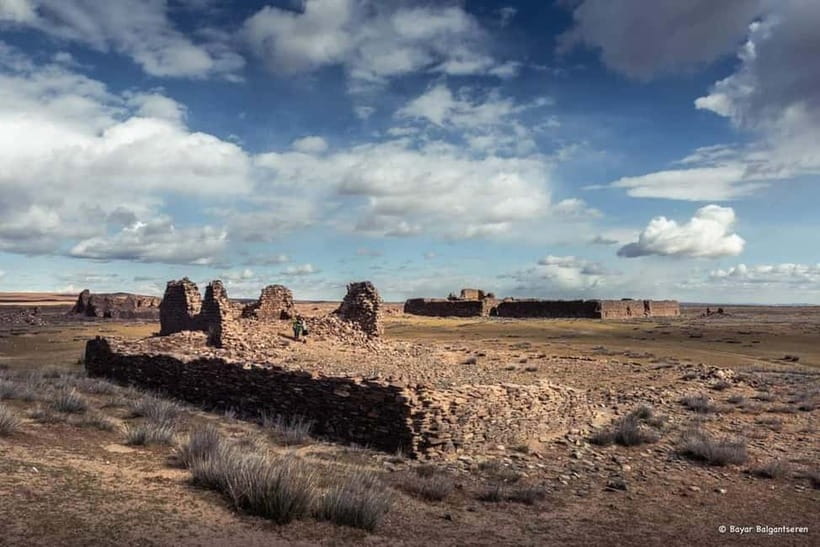
Kharkhorin sits on the Orkhon River and is tied to the Orkhon Valley UNESCO area. It became the capital of the Mongol Empire in the thirteenth century, when the empire stretched across much of Asia and into Europe. Very little of the original city remains above ground, so the museum and ruins are important for making sense of the place.
The Kharkhorin museum helps put the scattered remains into context. Without it, the old capital can feel like a broad archaeological site with few obvious clues. With the museum visit, you can better picture the city as a political and trading center linked to Silk Road routes.
The tour includes the ticket for the Kharkhorin museum and the ruins of Kharkhorin city. It also includes the ticket for Khar Balgas old city ruin, another useful stop for anyone interested in the earlier layers of central Mongolian history. The supplied schedule does not specify exactly when Khar Balgas is visited, so your guide will fit it into the route and road conditions.
Do not expect a restored medieval city. You are coming for the setting, the historical importance, and the chance to stand where the capital once operated. The open surroundings make the scale of the old empire easier to imagine, even when the physical remains are modest.
Erdenezuu Monastery and the old city
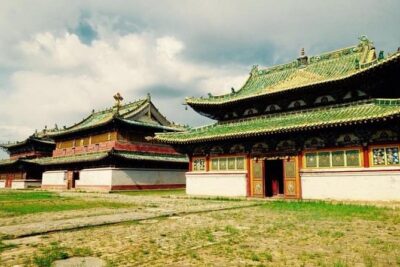
Erdenezuu Monastery is one of the central cultural stops. It was built using stones from the old capital and became a major center of Mongolian Buddhist life. Its walls, temples, and grounds offer a strong contrast to the open steppe outside Kharkhorin.
I like that the itinerary gives the monastery proper attention rather than treating it as a quick photograph stop. You also visit the Kharkhorin museum and city ruins, so the day connects religion, empire, archaeology, and the Silk Road.
The experience is likely to feel more reflective than active. After the previous day’s long drive and camel ride, the monastery provides a slower morning or afternoon. Follow your guide’s explanation closely, since the meaning of the buildings and religious traditions may not be obvious at first glance.
The schedule places Erdenezuu on Day 2, along with the museum and ruins. Exact visit times are not listed, so the order can change. That flexibility is useful in a country where road conditions and local timing can affect the day.
A few more Ulaanbaatar trips to weigh up
- Private 3-Day Tour of National Parks From Ulaanbaatar
★ 5.0 · 11 reviews - Visit Great Gobi attractions in 3 day /Full adventure
★ 5.0 · 5 reviews - 3 Day Mongolia Getaway tour Private tour
★ 5.0 · 3 reviews - 3 Day Best Experience in Mongolia
★ 4.6 · 3 reviews
Horse riding in Khugnu Tarna National Park
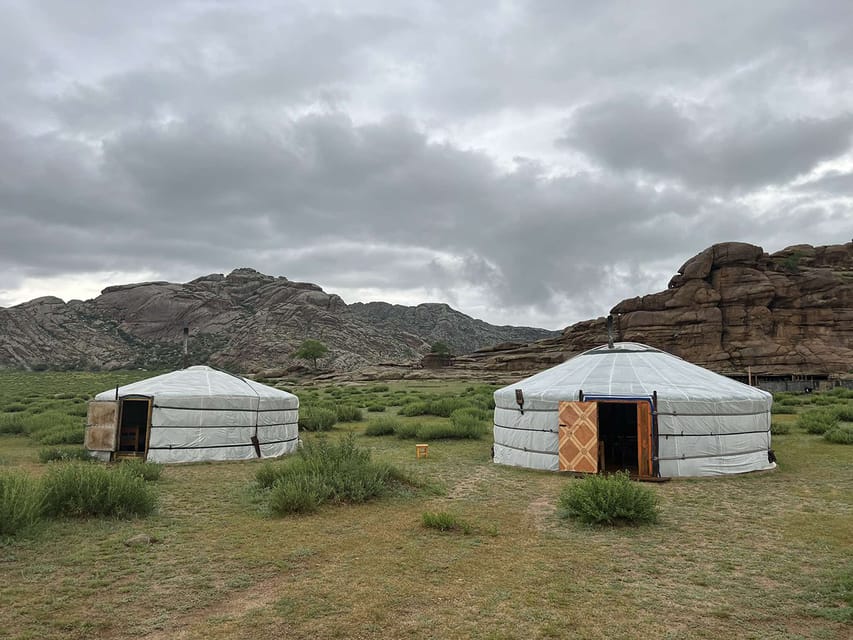
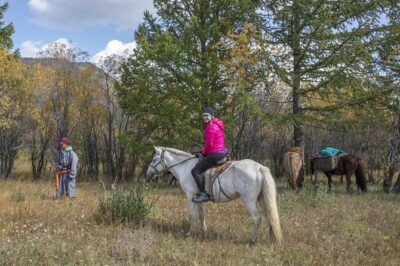
Later on Day 2, you ride horses in Khugnu Tarna National Park. This is a good pairing with the camel ride because the two animals offer completely different ways to see the countryside.
The camel is slow and steady, suited to sand and dry ground. The horse gives you a closer connection to Mongolia’s riding culture and lets you cover more ground around the park. You do not need to be an expert rider to appreciate the setting, but anyone who is nervous around horses should tell the guide before mounting.
The park is where Mongolia’s dry country and mountain scenery meet. You might see sandy stretches, grassland, and rocky slopes in the same outing. The ride is not simply an activity checked off a list. It helps explain why horses remain so closely tied to Mongolian identity.
The information provided does not state the length of the horse ride, the exact route, or the riding group size. Ask the guide about those details at the start of the day. Wear long trousers and shoes that can handle dust and uneven ground.
Dinner with a nomad family
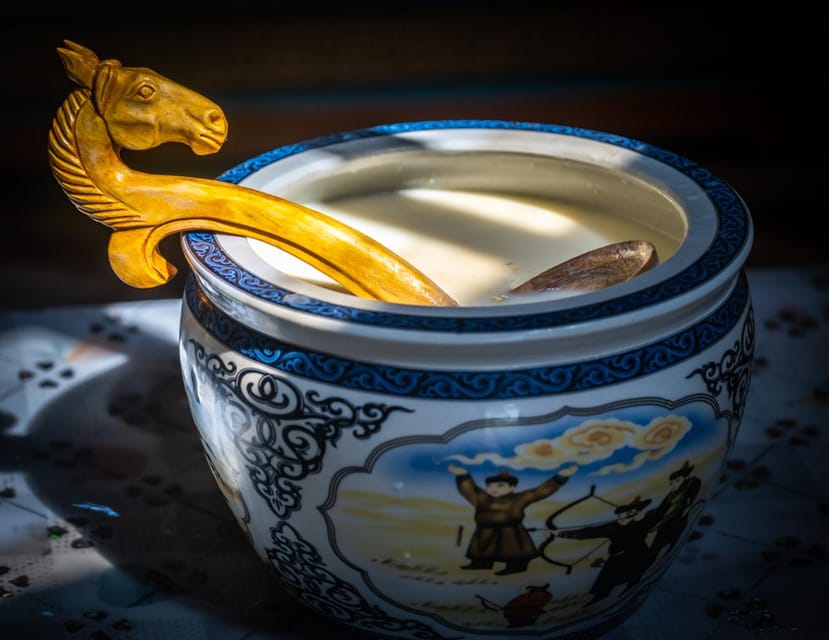
The nomad family dinner is the most personal part of the itinerary. Instead of only looking at a ger from the outside, you enter a family home and share an evening meal with the people who live there.
This is where the trip moves beyond scenery. You get a direct look at daily life, hospitality, and the practical rhythm of rural Mongolia. The schedule calls for dinner with the family, not a full overnight homestay, so you return to a tourist ger camp after the meal.
You should treat this visit with respect. Follow your guide’s lead about photographs, greetings, and where to sit. A family home is not a stage set, and the value of the evening comes from keeping the exchange simple and genuine.
Dinner is included, along with a second night in a tourist ger. The ger has a private shower and electricity according to the schedule. That is a useful comfort after a day of riding and sightseeing, though the sleeping arrangement remains shared.
Day 3: Erdene Khamba Monastery and the return
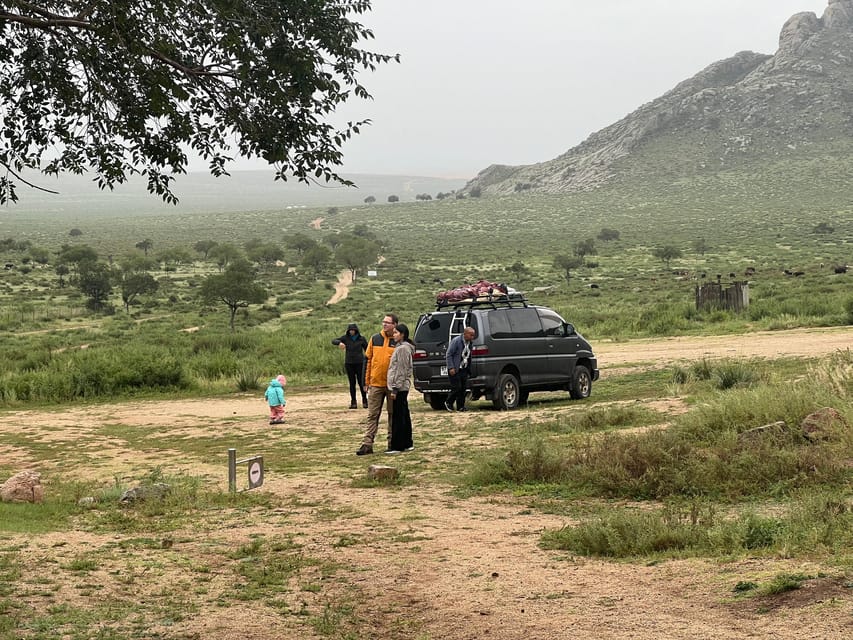
After breakfast, the final major stop is Erdene Khamba Monastery in the Khugnu Khan mountain area. This gives the last day a cultural focus before the return to Ulaanbaatar.
The visit also adds another side of central Mongolia’s religious heritage. Erdenezuu is associated with Kharkhorin and the old imperial capital, while Erdene Khamba is connected with the mountain setting of Khugnu Khan. Together, the two monasteries help show how religion and place are linked in Mongolia.
The tour returns to the city around 3:00 to 4:00 p.m. That arrival window is helpful if you are planning an evening in Ulaanbaatar, but I would avoid booking a tight onward connection. The schedule does not provide a precise return time, and long road journeys can shift.
Breakfast on Day 3 is included. In total, the package covers two breakfasts, three lunches, and two dinners. That removes much of the hassle of finding food on the road, especially in remote areas.
What the $480 price really covers
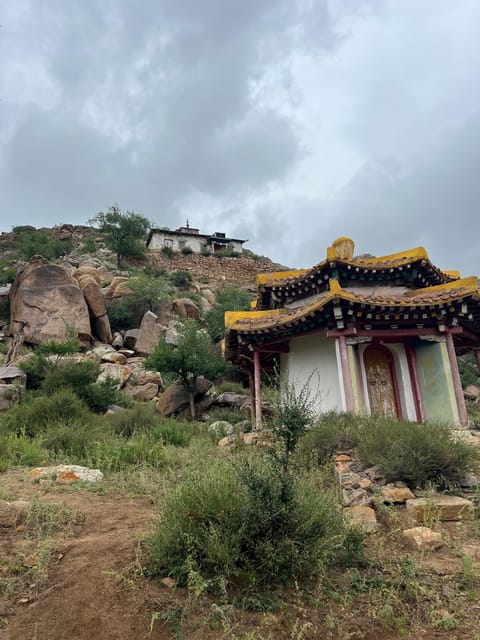
At $480 per person, this is not a bargain-basement road trip, but it covers a lot for three days. Included services are:
- Hotel pickup and drop-off
- An English-speaking guide
- Transport by car
- 1.5 liters of water per day
- Camel riding
- Horse riding
- Two nights in tourist gers
- Two breakfasts, three lunches, and two dinners
- Tickets for Khar Balgas old city ruin
- Tickets for Erdenezuu Monastery
- Tickets for Kharkhorin museum
- Tickets for Khugnu Tarna National Park
The strongest value comes from combining transport and activities. Hiring a car, guide, and driver separately for this route could take more planning, while entrance fees and meals would still add up. You are paying for convenience as well as access to the desert, national park, monasteries, and historic sites.
The tradeoff is comfort. You travel by car rather than a luxury vehicle, and you share a ger rather than receiving a private room. Travel insurance is not included, so you need to arrange that yourself.
The tour has a 4.5 rating from 37 reviews. A verified booking from Australia in August 2025 specifically praised the on-time pickup and the guide’s command of the area. That lines up with the tour’s practical strength: the route is organized so you can focus on the experience instead of negotiating every transfer.
Who should book this Mongolia tour
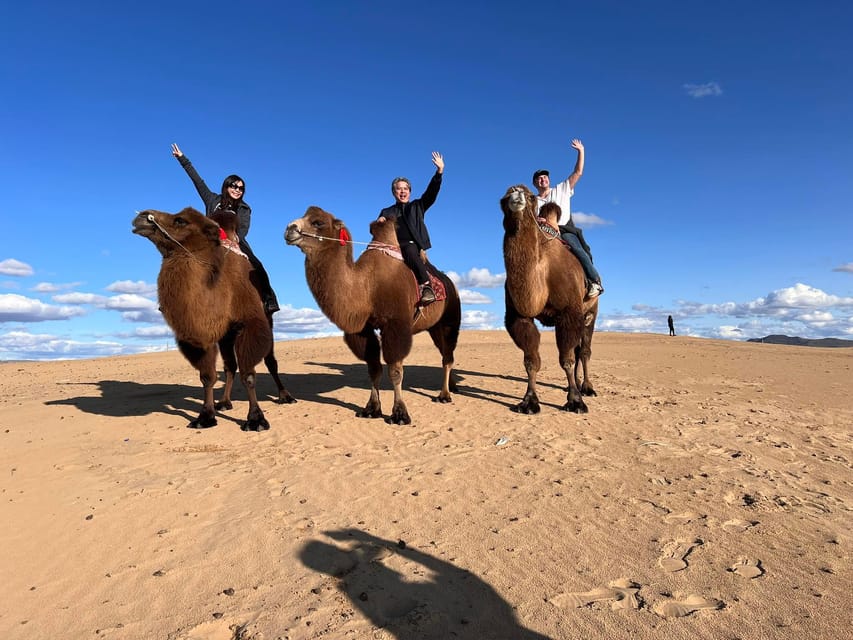
I would recommend this trip to someone visiting Mongolia for the first time who wants several signature experiences in a short window. It suits you if you want history, outdoor activities, local contact, and a comfortable base at night.
It is especially good for people who want to ride both a camel and a horse. It also works well if you are curious about nomad life but do not want a fully remote camping trip.
You should think twice if you need private accommodation, dislike long drives, or want a slow schedule with lots of free time. The three days are full, and the distances mean that sightseeing is balanced with road travel.
The best season for the full version is the warmer tourist period, when camel riding can take place in the dunes. From October to May, you can still walk in the Semi-Gobi and see the area, but the camel portion changes.
Practical details before you go
Pickup is from your hotel in Ulaanbaatar between 8:30 and 9:00 a.m. The tour is conducted in English with a live guide. Transport, meals, water, activities, accommodation, and listed entrance fees are included.
Pack layers, sun protection, comfortable walking shoes, and clothes suitable for sand and horse riding. Mongolia can feel very open and exposed, so a warm layer is useful even when the day begins pleasantly.
The gers have electricity, showers, and Wi-Fi, but you should not confuse them with hotel rooms. You share a ger with three or four beds, and men and women sleep separately. That setup is part of the cultural experience, but it is also the clearest comfort limitation.
Free cancellation is available up to 24 hours before departure, and you can reserve now and pay later. Travel insurance is not included. Those terms make the booking flexible, but insurance remains your responsibility.
Should you book it?
Book this tour if you want a compact, well-organized introduction to central Mongolia with the major experiences already bundled together. The combination of Semi-Gobi camels, Kharkhorin, Erdenezuu, horse riding, and a nomad family dinner gives you a strong range of sights and activities for $480.
Skip it if private rooms, minimal driving, or a fully warm-weather camel ride are essential. For most first-time visitors with only three days, though, this is a practical way to see far more than you could manage independently.
FAQ
Where does the tour begin and end?
The tour includes hotel pickup in Ulaanbaatar between 8:30 and 9:00 a.m. on Day 1 and returns to the city around 3:00 to 4:00 p.m. on Day 3.
How long is the tour?
The experience lasts three days.
Is camel riding included?
Yes. A camel ride on a two-humped camel is included. From October through May, camel riding in the sand is not available, but the ride may take place near a nomad family.
Where do you sleep?
You sleep in tourist gers or yurts. Each ger has three or four beds, so you share with others. Men and women sleep in separate gers. The gers have showers, electricity, and Wi-Fi.
Are meals included?
Yes. The tour includes two breakfasts, three lunches, and two dinners.
Is travel insurance included?
No. Travel insurance is not included in the price.
Just added around Ulaanbaatar
- Ulaanbaatar Signature Tour – Mongolia’s Capital in One Day★ 4.3 · 3 reviews
- Ulaanbaatar: 4-Day Central Mongolia Winter Tour★ 5.0 · 3 reviews
- A Day Authentic Mongolian Trip near Ulaanbaatar all-inclusive★ 5.0 · 3 reviews
- Transfer service to Terelj national park★ 5.0 · 3 reviews
- Private – Ulaanbaatar City Tour★ 3.5 · 3 reviews
- Private Departure Transfer: Ulaanbaatar Airport★ 4.5 · 3 reviews
- Private Tandem Paragliding Experience at Bayanzurkh Mountain★ 5.0 · 3 reviews
- Essence of Mongolia 5 Days★ 5.0 · 3 reviews
Central Mongolia Tours, compared.
From Ulaanbaatar: Central Mongolia Guided 3-Day Tour
Read our review →
Ulaanbaatar: Small Group 3-Day Best of Central Mongolia Tour
Read our review →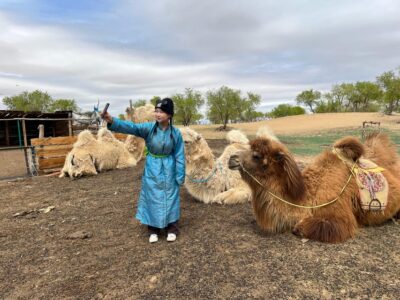
4 Day Best of Central Mongolia tour, Chinggis Khan statue
Read our review →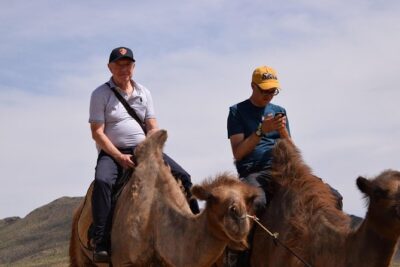
5 Days Terelj national Park Tour From Central Mongolia
Read our review →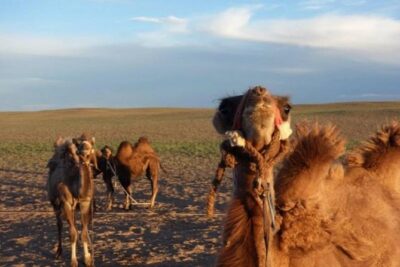
Browse the lists this tour appears in