
Reviewed · ULAANBAATAR TOURS
Nomad Family Home Stay in Arkhangai Province
The best part of this Mongolian trip is not a monument or a scenic overlook. It is waking in a family ger and joining ordinary work: milking cows, tending animals, making dairy products, and sharing meals made at home. You get a close look at nomadic life that no museum can provide.
I especially like the hands-on family stay and the quiet nights, when sunset fades into a sky without light pollution. The horse ride near Orkhon Waterfall is another strong point, giving you a gentle taste of riding through open valleys rather than a rushed photo stop. The main drawback is the final Mini Gobi section, which can feel more touristy and less personal than the family stays.
Key points to know before you go
- Sleep in family gers: You stay in traditional yurts with nomadic households and share their daily routine.
- Taste homemade dairy: Meals may include milk tea, fermented horse milk, and other local milk products.
- Ride horses near Orkhon Waterfall: The guided ride lasts about one hour and is designed as an introduction to horseback travel.
- Expect long road days: The route from Ulaanbaatar includes substantial driving, with shops and toilet breaks along the way.
- Pack for cold nights: Bring wool layers and a light sleeping bag, since ger stays can become cold after dark.
- Treat the Mini Gobi as an add-on: The camel ride lasts about 30 minutes and offers a brief desert experience, not a full Gobi journey.
Why the family ger is the real heart of the trip
Mongolia is easy to photograph and harder to understand. The family stay helps bridge that gap. Instead of only looking at wide-open steppe from a car window, you see how a household works from morning to evening.
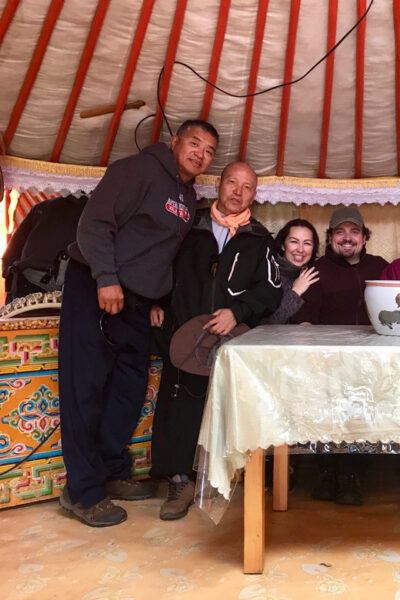
Your hosts may involve you in milking cows, herding livestock, or preparing dairy foods. These are not staged cultural demonstrations in a visitor center. They are daily tasks, and your level of participation will depend on the family, the season, and what needs doing that day.
Meals are part of the experience. You can expect home-cooked food and homemade milk products, including milk tea and fermented horse milk. If you are curious about food traditions, this is one of the most useful parts of the trip because you can ask questions while the family is actually preparing or serving it.
The setting is wonderfully simple. There may be no internet and no shower for several days. That can be a real inconvenience if you need constant connection or prefer hotel comforts, but it is also what makes the stay feel separate from ordinary city travel. Bring your patience, keep your phone for photos rather than streaming, and accept that the evening may be spent talking, eating, or watching the sky.
At night, the lack of light pollution is a major reward. Sunset and stars become part of the schedule without anyone having to plan an excursion around them.
More mongolia nomad family homestays in Ulaanbaatar:
- Overnight Semi-Gobi Tour with Nomadic HomeStay
★ 4.5 · 6 reviews - Mongolia Nomad Trek • On-Foot & Horseback ~ 15 Day
★ 5.0 · 5 reviews - 5 day Central Mongolia and Nomad stay tour
★ 3.5 · 4 reviews
Leaving Ulaanbaatar for the Khangai region
The trip begins with a briefing in Ulaanbaatar, followed by a drive into the Khangai Mountains. Your English-speaking guide explains the week ahead, while a professional driver handles the road.
You should expect a lot of time in the vehicle. Mongolia is large, and the distances between family camps, waterfalls, historic sites, and desert areas are not short. The road time is part of the price of reaching remote communities, but it can feel tiring, especially if you prefer a slower trip with fewer changes of base.
The payoff comes in the late afternoon, when you reach your first nomad family. You settle into a ger, meet your hosts, and share a traditional dinner. This first evening matters because it gives you a gentle introduction before the more active day that follows.
Your guide is an important part of the experience. Enni is specifically noted as a friendly and capable guide, and the guide and driver can adjust plans around special interests when possible. One useful example is a local horse racing festival that was added to a guest’s schedule. That kind of flexibility is worth asking about before departure.
The supplied information names Bulgan Province as the location while describing the Khangai Mountains and Arkhangai area. If exact provincial boundaries matter to your plans, confirm the route with Time Travel Nomads before booking.
A working morning with your first host family
Day two is the most personal part of the program. You join the family for everyday work, with possible activities including cow milking, livestock care, and dairy making.
The key word here is participation. You are not simply watching a performance. You are seeing how food and household routines connect to animals, weather, and the movement of a nomadic family. That makes the visit useful for anyone who wants cultural contact rather than a quick stop beside the road.
Your afternoon brings a guided mountain hike. The route offers broad views of the steppe and nearby mountains, though the itinerary does not specify the distance or difficulty. Ask your guide what the walk will involve if you have concerns about fitness or footwear.
This day also gives you time to adjust to the practical side of ger living. Sleeping arrangements are traditional, facilities are basic, and the family may be far from a shop. Mikael’s advice is sensible: bring a light sleeping bag and warm wool layers. Nights can be cold even when daytime weather feels pleasant.
Orkhon Waterfall and a first horseback ride
On day three, you leave the first household and drive toward Orkhon Waterfall. You then meet a second nomadic family, settle in, and eat a home-cooked lunch.
The change of family gives you a second view of rural life. Nomad households are not identical, so this part of the route can add useful contrast. It also means packing and moving again, which may feel less relaxed than staying in one place for the full trip.
In the afternoon, you learn basic riding skills before heading into the surrounding valleys for about one hour on horseback. This is a short introduction, not a multi-day riding expedition. That is good news if you are a beginner or simply want a manageable ride, but experienced riders may find it too brief.
You should listen carefully to the guide and local horse handlers, follow instructions, and wear practical clothes. The appeal is the setting: riding through open valleys near Orkhon Waterfall gives you a direct connection to the region’s traditional way of moving across country.
Dinner returns you to the family setting, followed by a quiet evening under the stars. After a day of driving and riding, the simple rhythm works well.
Same steppe, a completely different day out:
- From Ulaanbaatar: Genghis Khan Statue NationalPark CamelRide
★ 4.8 · 353 reviews - Genghis Khan Statue Day Tour+National Park+Camel Ride+Eagle
★ 4.5 · 261 reviews - From Ulaanbaatar: Central Mongolia Guided 3-Day Tour
★ 4.6 · 186 reviews - Ulaanbaatar: Small Group 3-Day Best of Central Mongolia Tour
★ 4.1 · 171 reviews
Orkhon Waterfall, Erdenezuu, and Kharkhorin
The next morning shifts from family life to Mongolia’s cultural past. You leave for the Mini Gobi and stop at Erdenezuu Monastery and the Kharkhorin Museum.
Erdenezuu is an important historic religious site, while the museum helps explain Kharkhorin, the former Mongolian capital. These stops add context to the nomadic experience. After seeing how families live today, you get a chance to consider the political and religious history that shaped the country.
The schedule is busy. You are moving from the second family to cultural sites and then onward to a ger camp in the Mini Gobi. If you like variety, that makes the day rewarding. If you prefer long, quiet stays with one family, this is where the trip becomes less intimate.
The itinerary does not give exact visit lengths, so your guide will control the timing around driving conditions and site access. Use the road stops wisely. The route includes shops and toilet breaks, but the remote family areas do not have nearby shops. Keep personal snacks, water, and any needed toiletries with you rather than relying on the next stop.
What the Mini Gobi can and cannot provide
The Mini Gobi offers a short change of scenery, with dunes and a traditional ger camp. In the evening, you take a camel ride of about 30 minutes.
This is a convenient way to add a desert-style experience without committing to a separate Gobi tour. If you have limited time in Mongolia, the dunes may be a pleasant final contrast to the mountains and steppe.
Keep your expectations in check. The camel outing is brief, and one account describes the ride as lasting closer to 15 minutes and barely reaching the dunes. It may feel touristy compared with the family homestays. The camp also lacks the personal quality that makes the earlier nights special.
I would not choose this trip mainly for the Mini Gobi. Choose it for the nomad families, then treat the camel ride as a small bonus. If a proper desert journey is your main goal, a dedicated Gobi route would make more sense than trying to stretch this short stop into a major attraction.
Returning to Ulaanbaatar
The final morning begins the drive back to Ulaanbaatar. After the remote family stays, returning to the capital can feel abrupt, but the route gives you time to think over what you have seen.
The afternoon includes free time for souvenirs or local museums. The exact shopping and museum choices are not specified, so ask your guide what is open and what fits the remaining time.
A farewell dinner closes the trip. This is a useful point to compare the two family stays, the horse ride, the waterfall, and the historic stops. You will have covered a lot of ground in a short period, and the meal provides a natural end to the shared journey with your guide and driver.
The published plan describes five days, while the overview presents it as a week-long experience. Confirm the exact departure and return dates before paying, especially if you are building this into a longer Mongolia itinerary.
What the $808 price gives you
At $808 per person, this is not a budget bus outing. The value comes from combining transport, a professional driver, an English-speaking guide, meals listed in the plan, family accommodation, the horse ride, cultural stops, and the Mini Gobi camp.
The long-distance vehicle and driver are important costs in Mongolia. You are not arranging separate transfers between remote households, Orkhon Waterfall, Kharkhorin, and Ulaanbaatar. You also have a guide to explain the family routines and help with communication.
The strongest value is access. A family is opening its home and daily life to you, and the guide can help you take part respectfully. That is very different from checking into a standard ger camp, where the setting may look traditional but the contact with local life is limited.
The price does not cover travel insurance, personal expenses, extra drinks, tips, optional activities, or costs caused by events outside the operator’s control. Budget for those separately. You should also plan for basic living conditions rather than assuming every night includes a shower, internet, or nearby shop.
The booking terms are flexible: you can reserve and pay later, and cancellation is allowed up to 24 hours before the experience for a full refund. Still, check the final terms at booking because weather and remote travel can affect plans.
Who should book this nomad homestay?
I would recommend it to you if you want:
- Direct contact with Mongolian families
- Simple accommodation in traditional gers
- Homemade food and local dairy products
- A taste of horse riding without a long riding expedition
- A mix of mountain scenery, cultural sites, and desert dunes
- A guide who can adapt the schedule to a special local event when possible
You should think twice if you need reliable internet, daily showers, hotel-style facilities, or a tightly paced schedule with little road time. You also may not like the trip if your main goal is a full Gobi desert adventure or several hours in the saddle each day.
The tour suits curious, flexible people. You do not need to be an expert rider or an outdoor specialist, but you do need to accept that rural Mongolia runs on family routines, weather, animals, and long distances.
Practical packing advice for the gers
Pack light, but do not pack too little. Warm layers matter more than stylish clothes, since nights can be cold. A light sleeping bag is a smart addition, especially if you are sensitive to low temperatures.
Bring personal toiletries, snacks, and any small essentials you may need during the family stays. Shops and toilet breaks are available along the driving route, but the nomad households are not close to stores.
A camera is useful, but ask before photographing people or household activities. Your guide can help you approach family routines with good manners. The best moments may be quiet ones, such as sharing milk tea or watching sunset, so leave room in your schedule and attention for them.
Should you book it?
Book this experience if the family stay is your priority. The strongest elements are the open hospitality, daily work, homemade dairy, simple ger nights, and the chance to see Mongolia through local routines rather than only through a vehicle window.
Book it with realistic expectations about comfort and road time. The Mini Gobi and camel ride are short, and the final section feels more visitor-focused than the nomad stays. For a genuine introduction to rural Mongolian life, though, the combination of family access, horse riding, Orkhon Waterfall, and cultural history makes the $808 worthwhile for the right kind of visitor.
FAQ
How long does the experience last?
The overview describes it as a week with a nomad family, while the detailed schedule lists five days from departure in Ulaanbaatar to the return. Confirm the exact dates with Time Travel Nomads before booking.
Where does the experience take place?
The supplied details identify Bulgan Province and describe travel through the Khangai Mountains, Orkhon Waterfall, Kharkhorin, Erdenezuu Monastery, and the Mini Gobi.
Will I sleep in a traditional yurt?
Yes. The accommodation includes traditional gers, including stays with nomadic families and a ger camp in the Mini Gobi.
Is horseback riding included?
Yes. You receive an introduction to horseback riding and take a guided ride near Orkhon Waterfall for about one hour.
Is the camel ride included?
Yes. A short camel ride at the Mini Gobi is included and is listed as lasting about 30 minutes.
Are meals included?
Meals stated in the itinerary are included. The family stays feature home-cooked food and homemade dairy products.
Is the tour guided in English?
Yes. An English-speaking professional guide and a professional skilled driver are included. One guide identified in the experience details is Enni.
Just added around Ulaanbaatar
- Ulaanbaatar: 4-Day Central Mongolia Winter Tour★ 5.0 · 3 reviews
- Ulaanbaatar Signature Tour – Mongolia’s Capital in One Day★ 4.3 · 3 reviews
- A Day Authentic Mongolian Trip near Ulaanbaatar all-inclusive★ 5.0 · 3 reviews
- Transfer service to Terelj national park★ 5.0 · 3 reviews
- Private – Ulaanbaatar City Tour★ 3.5 · 3 reviews
- Private Departure Transfer: Ulaanbaatar Airport★ 4.5 · 3 reviews
- Private Tandem Paragliding Experience at Bayanzurkh Mountain★ 5.0 · 3 reviews
- Essence of Mongolia 5 Days★ 5.0 · 3 reviews
Ulaanbaatar Tours, compared.
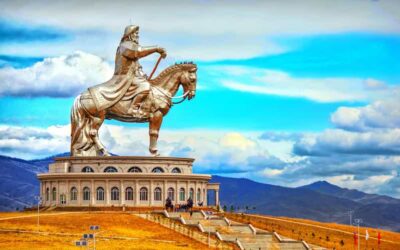
From Ulaanbaatar: Genghis Khan Statue NationalPark CamelRide
Read our review →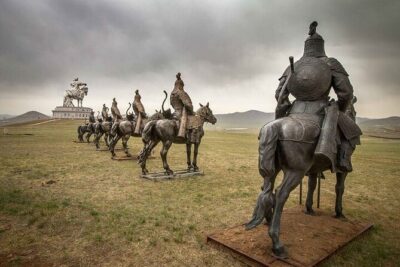
Genghis Khan Statue Day Tour+National Park+Camel Ride+Eagle
Read our review →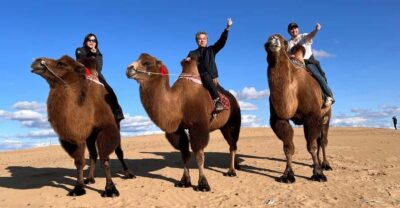
From Ulaanbaatar: Central Mongolia Guided 3-Day Tour
Read our review →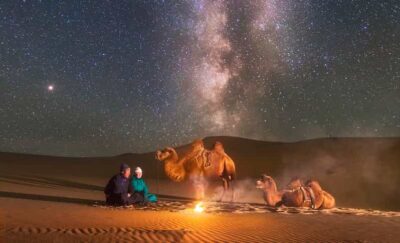
Ulaanbaatar: Small Group 3-Day Best of Central Mongolia Tour
Read our review →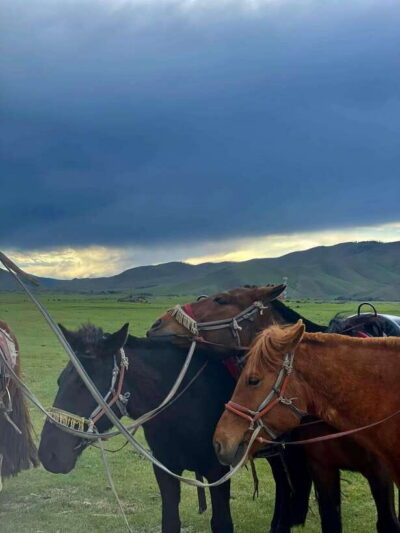
Terelj national park transport /Best price tour
Read our review →
Ulaanbaatar: Chinggis Khaan Statue and Turtle Rock Day Tour
Read our review →
Ulaanbaatar: Semi-Gobi Desert Day Trip & Camel Ride
Read our review →Browse the lists this tour appears in