
Reviewed · GOBI DESERT TOURS
8 Days Tour: Gobi Desert And Kharkhorin
The best part of this 8-day Gobi journey is its variety. In one trip, you move from granite mountains and fossil-rich cliffs to ice-filled gorges, huge sand dunes, dinosaur country, ruined monasteries, and the former capital of the Mongol Empire. It gives you a broad look at southern and central Mongolia rather than one isolated desert stop.
I like the small group of up to 10 people, which should make long drives, photo stops, and yurt stays easier to manage. I also like the practical package: round-trip transport from Ulaanbaatar, accommodation, seven breakfasts, seven dinners, and eight lunches are included. The main drawback is the pace. You cover a great deal of ground in eight days, and the information provided does not specify daily driving times.
Key points to know
- Baga Gazariin Chuluu begins the journey: Granite peaks, a ruined Buddhist temple, a spring-water stone hole, and a small cave provide an unusual opening to the desert route.
- Tsagaan Suvarga is more than a scenic viewpoint: Its white cliffs are an ancient sea bottom, with fossil seashells in the eroded rock.
- The Gobi’s major sights arrive in sequence: Yoliin Am, Khongor Els, Bayanzag, and the Flaming Cliffs each offer a different type of scenery and history.
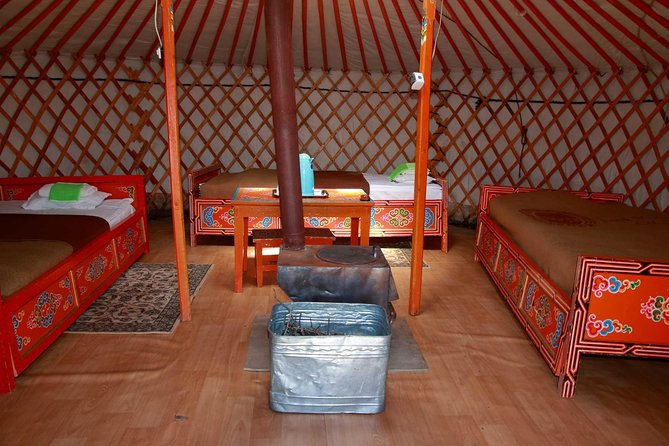
- Overnight stays are part of the experience: You sleep in family yurts or tourist camps, with most meals covered.
- Kharkhorin adds Mongolian history: Erdenezuu Monastery and the old capital connect the desert trip to the era of Chinggis Khaan and his successors.
- The trip ends with a practical shopping stop: You visit Goyo and Gobi cashmere factory stores in Ulaanbaatar.
A broad Gobi route, not just a desert photo stop
At $1,693 per person, this is a substantial trip cost, but it covers eight days of transport, accommodation, most meals, guided sightseeing, and a route that would be difficult to arrange independently. The value is strongest if you want one organized journey through several parts of Mongolia instead of booking separate short excursions.
The group limit of 10 is important. Mongolia’s major sights are spread far apart, so a small vehicle group can feel more personal than a large coach tour. The booking information also describes this as a private activity, meaning only your own group participates. If you are booking with family or friends, that private setup may be especially useful.
The tour starts at 7:30 am in Ulaanbaatar. You should expect a full touring day rhythm, with breakfast, a long transfer, sightseeing, and an overnight stay outside the capital. The exact vehicle type and driving times are not specified, so ask the operator before booking if road comfort or time in transit matters to you.
Meals are a real advantage. The package includes eight lunches, seven breakfasts, and seven dinners. Alcoholic drinks are not included, so plan to pay separately for those. Accommodation is listed as a family yurt or tourist camp, which means you should choose this tour for its setting and route rather than for hotel-style comfort.
More gobi desert tours in Ulaanbaatar:
- Ulaanbaatar: Semi-Gobi Desert Day Trip & Camel Ride
★ 4.0 · 92 reviews - From Ulaanbaatar: Semi Gobi, Nomads, Ancient Kharkhorin Tour
★ 4.6 · 84 reviews - 1 Day Semi-Gobi All-included tour
★ 4.0 · 69 reviews
Baga Gazariin Chuluu starts among granite peaks
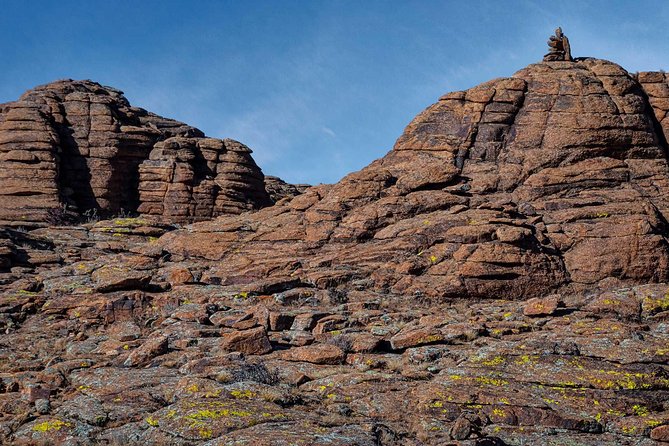
The first day takes you to Baga Gazariin Chuluu, a protected area with granite formations reaching 1,751 meters above sea level. It is a strong opening because it avoids the predictable idea that Mongolia begins with nothing but flat sand.
You can visit the remains of a Buddhist temple once used by monks, a stone hole containing spring water associated with the eyes, and a small cave. These details give the stop a human and local connection. You are not simply looking at rock formations from a roadside pullout.
The granite setting also helps you understand Mongolia’s variety from the start. The tour calls this part of the country a granite zone, and the rock shapes make a useful contrast with the layered cliffs and dunes later in the week. Since the itinerary does not list a separate activity schedule for the first day, ask your guide how much walking time is planned at each site.
Tsagaan Suvarga reveals an ancient seabed
On day two, the route reaches Tsagaan Suvarga, or the White Stupas. From a distance, its pale cliffs can resemble the remains of an old settlement or a line of white religious monuments. Up close, the geological story is even more interesting: this area was once sea bottom.
Wind erosion shaped the cliffs over more than a hundred thousand years. The formation is described as 62 meters high and about 400 meters wide, with fossil seashells in the eroded surfaces. That makes this one of the tour’s most rewarding stops for anyone who likes scenery with a clear explanation behind it.
You will have chances to climb up to cliffs and take photographs during the trip, although the listed activity details specifically mention those activities for later days. Wear footwear suitable for uneven ground and keep your attention on where you step. The exact walking route is not provided, so the amount of time spent exploring the cliffs may depend on the guide and conditions.
Yoliin Am brings ice into the Gobi
Day three changes the mood again at Yoliin Am, an ice canyon in the Zuun Saikhan Mountains. The gorge follows a narrow river and reaches an elevation of about 2,815 meters above sea level. Its rocky walls rise roughly 200 meters in the central section.
This is one of the clearest reasons to choose a multi-stop Gobi tour. You are not seeing only dry open country. A protected mountain gorge with ice offers a sharp contrast to the warm-colored cliffs and sand dunes elsewhere on the route.
Yoliin Am has been protected since 1965 and is now one of Mongolia’s Strictly Protected Areas. The tour describes it as a place for visiting a natural wonder and hiking. Because the canyon is narrow and the terrain is rocky, you should be prepared for a walk rather than a quick stop at a viewing platform. The tour does not state how much of the gorge you will walk or whether the ice remains year-round, so treat the ice feature as a natural condition, not a guaranteed display.
More kharkhorin and karakorum tours in Ulaanbaatar:
- Semi-Gobi and Kharkhorum overnight private trip
★ 5.0 · 14 reviews - Kharkhorum, Semi-Gobi 2 days 1 night private trip
★ 5.0 · 4 reviews - Mini Gobi and the ancient capital Kharkhorin – 4 days
★ 5.0 · 3 reviews - 2D,1N Gobi desert and Old city Kharkhorum stay with Nomadic family
★ 5.0 · 5 reviews
Khongor Els delivers the big dune day
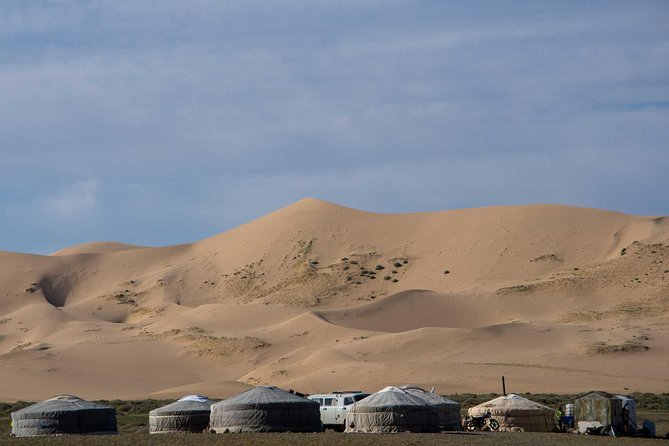
Day four is devoted to Khongor Els Sand Dunes, one of the route’s headline sights. The dunes stretch for about 180 kilometers along the northern side of the Sevree and Zuulen mountains. Their scale is the point. This is not a small patch of sand placed in an otherwise ordinary setting.
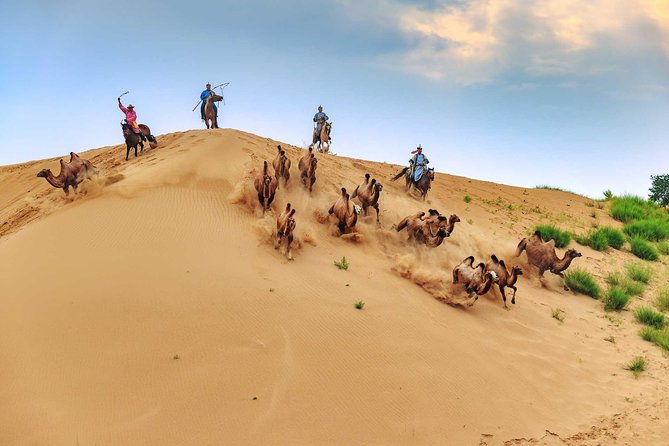
The tour describes the dunes as 15 to 20 meters high and notes that the desert zone covers about 3 percent of Mongolia’s territory. You can expect a wide-open view, strong lines of sand, and a good setting for photographs. The itinerary does not confirm a camel ride, so do not book this tour expecting one.
Walking on dunes can be harder than it looks. Even a modest climb takes effort, and the amount of time available for walking is not specified. I would treat the day as a chance to choose your own pace: climb as far as you comfortably can, then enjoy the view rather than making the highest point your goal.
Bayanzag connects the Gobi to dinosaurs
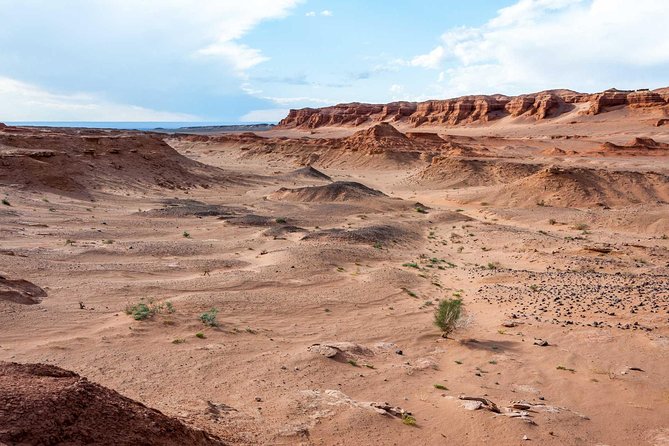
Day five brings you to Bayanzag, the area known internationally for major dinosaur discoveries. Fossils found here include complete skeletons, eggs, and hatchlings from the Cretaceous Period. The creatures named in the tour information include Protoceratops, Oviraptor, and the heavily armored Pinacosaurus, which lived about 70 to 80 million years ago.
Bayanzag is also known as the Flaming Cliffs. Their red and orange tones give the site its memorable name, and the area became especially famous after explorer Roy Chapman Andrews visited Mongolia in 1922. You get both a visual stop and a paleontological one, which adds substance to the usual desert sightseeing.
The tour does not state that dinosaur fossils are displayed on site or that a museum visit is included. Keep your expectations focused on the cliffs, the setting, and the story of the discoveries. This is a place where your guide’s explanation can make a major difference, so take the opportunity to ask questions about what was found and where.
Ongi Monastery adds a quiet human story
On day six, you travel to Ongi Temple beside the Ongi River. The monastery was established in the 1760s by Bari Yonzon Khamba in a small mountainous area along the river. At its height, the complex included around 30 temples and more than 1,000 monks.
Today, only a few monks carry out its religious functions, but the temple remains active. That change in scale gives the site a serious, reflective quality. You are seeing both the remains of a large religious center and a smaller living institution.
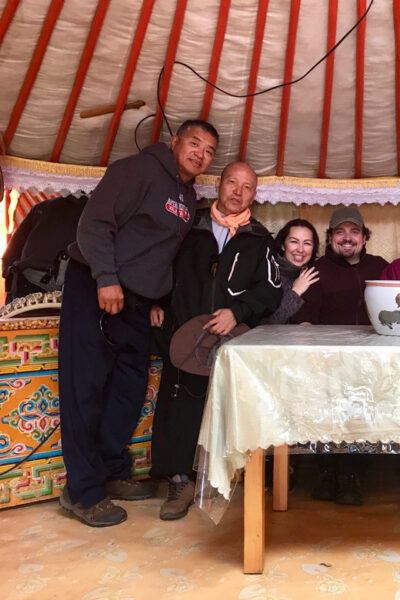
The listed activities include hiking, visiting a natural wonder, climbing to cliffs, and taking photographs. Accommodation is a family yurt or tourist camp. The combination of a monastery visit and a yurt stay is valuable because it keeps the day from becoming only a sequence of scenic stops.
Since accommodation descriptions are brief, ask what facilities are available at the specific camp on your departure date. A family yurt or tourist camp can be an appealing part of the trip, but it is not the same as a conventional hotel room. Bring the right expectations and pack for changing outdoor conditions.
Kharkhorin shifts the focus to empire and religion
Day seven takes you to Kharakhorum, also spelled Kharkhorin, the former capital of the Great Mongolian Empire. It was established in 1220, and Chinggis Khaan and later rulers including Ugudei, Guyug, and Munkh governed from here.
The city was destroyed by soldiers of China’s Ming Dynasty in the 14th century. Its ruins have been protected since 1961, and the site became a UNESCO World Heritage Site in 1996. That context turns the stop into more than a visit to old stones. It links the route to the political center of one of history’s most important empires.
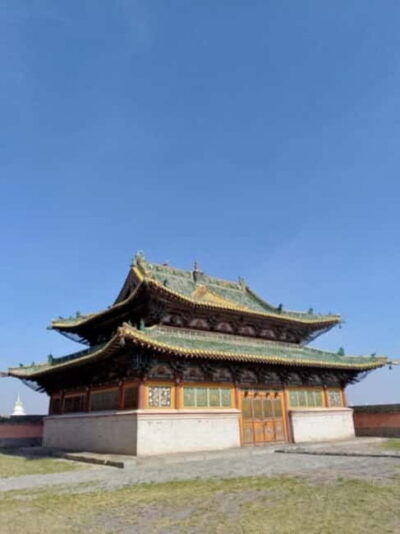
You will visit Erdenezuu Monastery, where the program includes tombs, a temple, and an active Buddhist temple. You will also visit the Wall of the Mongolian Empire for further information about the area. The listed activities include hiking, visiting a natural wonder, taking photographs, and exploring the surroundings.
This is a useful change of pace after several days focused on geology and fossils. It also gives you a stronger sense of Mongolia’s religious and political past. Accommodation remains a family yurt or tourist camp, so the final night keeps the trip’s outdoor character intact.
The return to Ulaanbaatar includes cashmere
Day eight returns you to Ulaanbaatar and includes shopping at factory stores for Goyo and Gobi, two of Mongolia’s best-known cashmere brands. This is a practical final stop, especially if you want a useful souvenir rather than another decorative object.
Cashmere shopping can also help explain one of Mongolia’s important products, though the tour information does not specify how long you will spend at either store or whether a factory production visit is included. If you have a strict flight schedule, confirm the expected return time to Ulaanbaatar before booking.
The return day is not a sightseeing day in the same way as the others. It is mainly a transfer plus shopping. That is sensible after a demanding route, but you should not count on a free afternoon unless the operator confirms one.
What the $1,693 price really covers
The price makes the most sense for you if you value convenience. You are paying for a guided route across several remote regions, with round-trip transfers from Ulaanbaatar, lodging, and nearly all meals already arranged.
The food coverage is particularly helpful outside the capital. Seven breakfasts, seven dinners, and eight lunches remove much of the daily planning. You still need money for alcoholic drinks and personal purchases, including cashmere.
The tour’s strongest value comes from combining the Gobi with Kharkhorin. A shorter Gobi trip might cost less, but it would not include the former imperial capital and Erdenezuu Monastery. At the same time, the price may feel high if you prefer independent travel or want luxury accommodation, since the lodging is described only as family yurts or tourist camps.
The tour has a 4.8 rating from 10 reviews, with 100 percent recommending it. The most specific praise points to organization, the guide, and the driver. One review names Enza Tours and thanks the team for its good organization, guide, and driver. A provider response is signed Enkhzaya Ganbold, so you may wish to confirm who will lead your particular departure rather than assuming Enkhzaya will personally be your guide.
Who should book this Mongolia route?
I would recommend it if you want a first broad introduction to Mongolia and prefer having transport, meals, and overnight stays handled for you. It suits people who enjoy geological sights, ancient history, photography, moderate outdoor activity, and changing scenery.
It is also a good fit for friends or families who can form their own group. The private-tour wording and maximum group size of 10 should make the trip more personal than a large coach outing.
I would hesitate if you need precise driving schedules, hotel comforts, or a slow pace at each stop. The route covers a lot of ground, and the provided details do not give exact distances, vehicle specifications, room facilities, or daily driving times.
You can cancel for a full refund up to six full days before the start time. Cancellations two to six days before departure receive a 50 percent refund, while cancellations less than two days before departure are not refunded. The tour requires good weather, and if poor weather forces cancellation, you are offered another date or a full refund.
FAQ
Where does the tour start?
The tour starts in Ulaanbaatar, Mongolia, with a stated start time of 7:30 am.
How long does the tour last?
The tour lasts approximately eight days.
What places are included?
The route includes Baga Gazariin Chuluu, Tsagaan Suvarga, Yoliin Am, Khongor Els Sand Dunes, Bayanzag and the Flaming Cliffs, Ongi Temple, Kharkhorin, Erdenezuu Monastery, and a cashmere shopping stop in Ulaanbaatar.
How many people can join?
The group is limited to no more than 10 people. The activity is also described as private, with only your group participating.
Are meals included?
Yes. The package includes seven breakfasts, seven dinners, and eight lunches.
Are alcoholic drinks included?
No. Alcoholic drinks are not included.
Where will I sleep?
Accommodation is provided in a family yurt or tourist camp on the listed nights outside Ulaanbaatar.
Is pickup available?
Yes. Pickup is offered, and the tour includes round-trip transfers from Ulaanbaatar.
Does the tour include Kharkhorin?
Yes. The program visits Kharkhorin, the former capital of the Great Mongolian Empire, along with Erdenezuu Monastery and the Wall of the Mongolian Empire.
What happens if bad weather cancels the tour?
If poor weather causes cancellation, you will be offered a different date or a full refund.
Should you book this tour?
Book it if you want Mongolia’s major Gobi sights, a taste of yurt travel, and the historical importance of Kharkhorin in one organized trip. The small group, included meals, and praised organization from the guide and driver make the package practical.
Skip it if you want a short desert outing, upscale lodging, or a precisely scheduled itinerary with little time on the road. For the right kind of explorer, though, this route offers a strong mix of sand, stone, fossils, faith, and empire, all in one demanding but rewarding week.
Just added around Ulaanbaatar
- Ulaanbaatar: 4-Day Central Mongolia Winter Tour★ 5.0 · 3 reviews
- Ulaanbaatar Signature Tour – Mongolia’s Capital in One Day★ 4.3 · 3 reviews
- A Day Authentic Mongolian Trip near Ulaanbaatar all-inclusive★ 5.0 · 3 reviews
- Transfer service to Terelj national park★ 5.0 · 3 reviews
- Private – Ulaanbaatar City Tour★ 3.5 · 3 reviews
- Private Departure Transfer: Ulaanbaatar Airport★ 4.5 · 3 reviews
- Private Tandem Paragliding Experience at Bayanzurkh Mountain★ 5.0 · 3 reviews
- Essence of Mongolia 5 Days★ 5.0 · 3 reviews
Gobi Desert Tours, compared.
Ulaanbaatar: Semi-Gobi Desert Day Trip & Camel Ride
Read our review →
From Ulaanbaatar: Semi Gobi, Nomads, Ancient Kharkhorin Tour
Read our review →
From UB: 2-Days Tour to Kharhorin and sand Semi Gobi
Read our review →
Semi-Gobi and Kharkhorum overnight private trip
Read our review →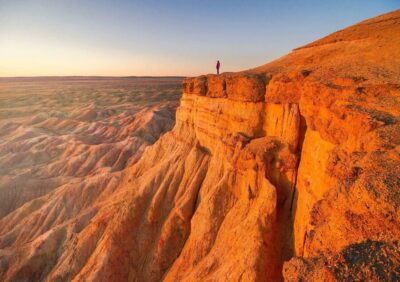
Travel to Gobi by train Visit World energy Center
Read our review →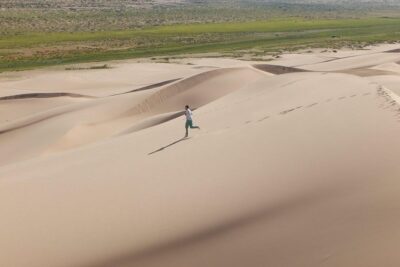
1 Day Semi-Gobi Tour with Lunch And Enjoying Camel or Horseback
Read our review →Browse the lists this tour appears in