
Reviewed · GOBI DESERT TOURS
7 days Great Gobi Tour
The most striking part of this seven-day journey is the sheer change of scene: one day you are among granite peaks, the next beside a frozen gorge or a wall of desert cliffs. You also spend time with nomad families, which gives the Gobi more meaning than a string of photo stops. Ikh Gazriin Chuluu and the singing dunes of Khongoriin Els are the two highlights I especially like.
I also like the private format. Your group travels alone, so the pace can feel more personal, and guides such as Nomin and Saruul have been praised for their care. Driver Tomuro is noted as experienced and safety-conscious. The main drawback is the amount of time on the road, plus limited food choice if you are vegetarian or vegan.
Key points to know before booking
- Seven days from Ulaanbaatar: You return to the capital after a full week on the road.
- Private group travel: Only your own group takes part, with pickup offered from Danista Nomads.
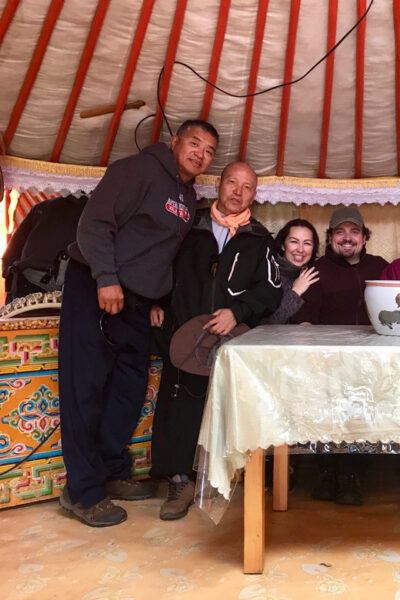
- Nomad contact: Breakfast with a nomad family and rural accommodation bring daily life into the trip.
- Major Gobi sights: See Tsagaan Suvarga, Yolyn Am, Khongoriin Els, Ongi Monastery, and two striking rock reserves.
- Strong guiding team: Nomin, Saruul, Tomuro, and Singu Ratler are names connected with highly praised trips from this operator.
- $1,400 per person: The price makes most sense if you value a private route, included accommodation and food, and a ready-made seven-day plan.
Why this Gobi route works so well
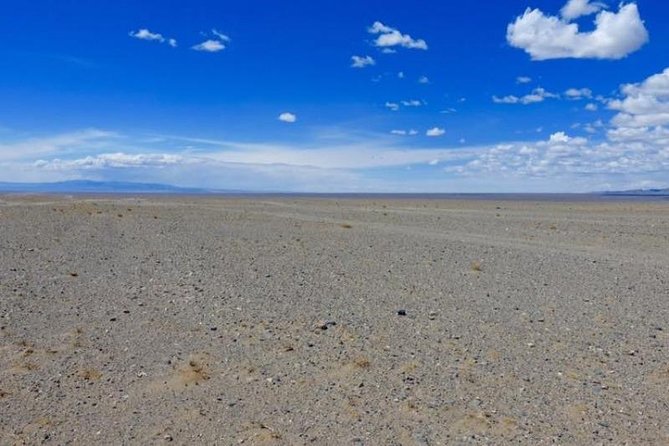
Mongolia is not a place for a quick collection of famous sights. The distances are large, roads can be rough, and the best moments often happen between major stops. This tour gives you a set route through the southern and central Gobi without asking you to solve every transport and accommodation problem yourself.
The trip begins and ends at Danista Nomads on Orkhon Street in Ulaanbaatar. Pickup is offered, and the scheduled start is 8:30 a.m. The tour is private, with only your group taking part. That matters in Mongolia, where a shared departure can mean waiting for people with different interests or tolerances for long drives.
You should still expect a road trip rather than a relaxed resort holiday. The schedule covers seven days and includes a return drive to Ulaanbaatar of about six hours on the final day. Exact driving times for the other days are not given, so ask the operator for a current road plan before you pay.
More gobi desert tours in Ulaanbaatar:
- Ulaanbaatar: Semi-Gobi Desert Day Trip & Camel Ride
★ 4.0 · 92 reviews - From Ulaanbaatar: Semi Gobi, Nomads, Ancient Kharkhorin Tour
★ 4.6 · 84 reviews - 1 Day Semi-Gobi All-included tour
★ 4.0 · 69 reviews
Day 1: Granite peaks at Ikh Gazriin Chuluu
Your first major stop is Ikh Gazriin Chuluu Nature Reserve, a granite mountain area in the Gobi. Its highest point reaches 1,706 metres, and the rock formations give the opening day a strong sense of scale.
This is a good first taste of Mongolia because it is not simply flat sand. The Gobi includes bare rock, open spaces, weathered formations, and mountain country. Ikh Gazriin Chuluu helps correct the common idea that the desert is one endless field of dunes.
The reserve has no admission charge listed, so the value here comes from the setting and the time you have to explore it. Wear shoes suited to uneven ground, and bring sun protection. The description does not promise a particular walking route or hiking time, so ask your guide how much time is planned on foot.
Day 2: Reading the colours of Tsagaan Suvarga
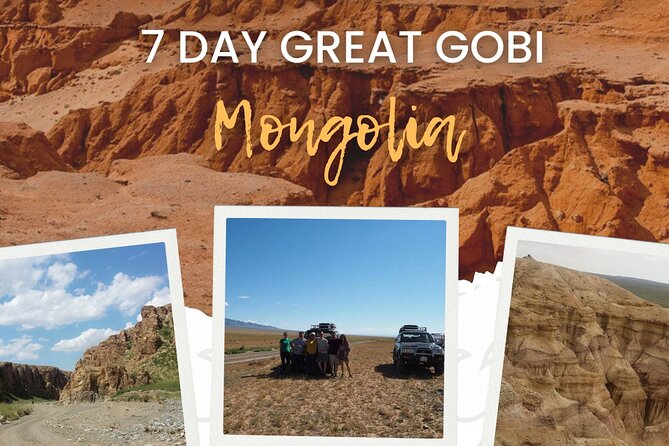
Tsagaan Suvarga means White Stupa, a name given to a dramatic cliff shaped by natural erosion. Local people associate the formation with a history of about 10 million years, and its exposed layers show different periods of geological change.
This is one of the most visually rewarding stops on the route. From a distance, the cliffs can look like an ancient ruin. Up close, the appeal is in the natural bands, folds, and worn faces of the rock. You get a clear sense that the Gobi is a place shaped by time as much as by wind.
Admission is free. That does not mean the stop is slight. You are paying for the route, transport, guiding, and access to a remote part of Mongolia rather than for a ticket at every site.
The exact road conditions and walking distance are not specified. If you have limited mobility, ask in advance about the surface and the amount of walking around the cliffs.
Day 3: Cold air in Yolyn Am
Day three brings you to Yolyn Am, also called Lammergeier Valley, in the Gurvan Saikhan Mountains of southern Mongolia. It is a narrow gorge, and the tour description specifically highlights its ice field.
The contrast is the point. After open desert and dry rock, you enter a cooler, enclosed mountain setting. The ice gives this stop a welcome surprise, although conditions can change with the season. You should not assume that the ice will look identical on every departure.
The day begins with breakfast with a nomad family. That detail is important. It gives you a closer look at rural hospitality and daily life, rather than keeping you inside a vehicle and moving only between formal sights.
This is also a day when practical clothing matters. Take a warm layer even if Ulaanbaatar or the desert feels hot. A gorge can feel very different from an exposed plain. The tour does not state how far you walk into the valley, so ask if the ice field is a short stop or part of a longer walk.
A few more Ulaanbaatar trips to weigh up
- Gobi tour Mongolia 7 Days
★ 5.0 · 8 reviews - 7 days Central Mongolia and Great Gobi
★ 4.5 · 7 reviews
Day 4: The singing dunes of Khongoriin Els
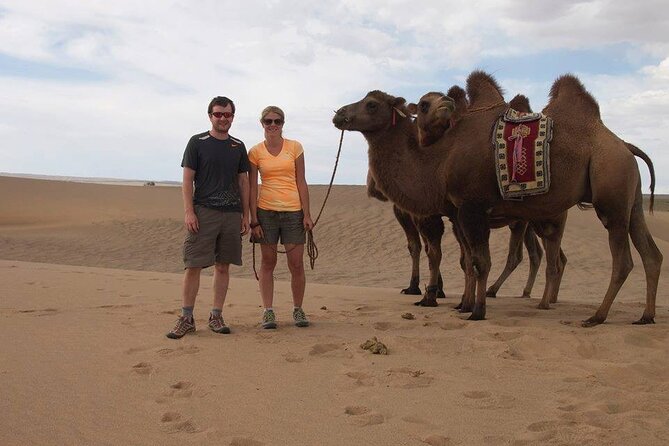
Khongoriin Els is one of the signature sights of the Gobi. These are described as Mongolia’s largest sand dunes, rising to about 200 metres, stretching around 12 kilometres wide, and extending across a long band of desert.
The nickname singing dunes comes from the sound that can be produced when sand shifts down the slopes. Do not treat the name as a guarantee that you will hear it on demand. Wind and sand conditions control the effect, but the scale of the dunes is impressive even in silence.
This is the day for patience. A dune can look close from the road and still take time to reach. Climbing loose sand is harder than walking on a firm path, so you may prefer to enjoy the view from lower ground rather than push for the highest point.
I like the balance in this route: Khongoriin Els supplies the classic desert image, while the earlier rock and mountain stops show how varied the Gobi can be. If you want a trip built around sand alone, this route offers more variety than that.
Day 5: Bayanzag and the remains of Ongi Monastery
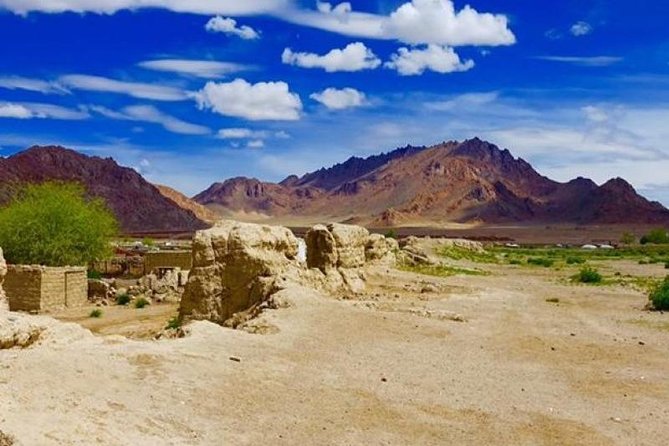
The fifth day includes lunch in Bayanzag before the drive toward Saikhan Ovoo, a small village in the Middle Gobi Province. The main named stop is Ongi Monastery, also called Ongiin Khiid.
Ongi Monastery is presented as a small active monastery among the ruins of an older religious complex. That mix gives the place a particular character. You are not looking at a fully restored monument, and you are not visiting a site that has lost all living connection. The active monastery and the remains occupy the same story.
Admission is included on this day. That is useful, but the bigger value comes from seeing a different side of Mongolia. After several days of natural formations, Ongi adds religion, local history, and a human-made site to the route.
The schedule places lunch in Bayanzag before continuing to Saikhan Ovoo. Since the supplied plan does not give the exact length of the stop or the road time afterward, keep your day flexible. This is not a route where you should book a tightly timed evening activity back in Ulaanbaatar.
Day 6: Rock country at Baga Gazariin Chuluu
Baga Gazariin Chuluu is the final major sightseeing day. The area includes Bolort Cave, an eye-treatment spa, rock images, petroglyphs, burial mounds, and other sights. There is also a ruin of Choir Monastery, associated with Zaya Damdin.
This stop rewards curiosity. Instead of one single viewpoint, you have a group of cultural and natural features to explore. The rock art and burial mounds connect the setting with earlier human activity, while the cave and rock formations keep the day grounded in the terrain.
Admission is included. Because several points of interest are named, ask your guide which ones fit the day’s timing. The description does not promise that every feature will receive equal time, and that is worth knowing if petroglyphs or the monastery ruins are your main reason for booking.
The name is easy to confuse with Ikh Gazriin Chuluu from day one. Both are rock areas, but the appeal is not identical. Ikh Gazriin Chuluu opens the trip with a large granite reserve and a high peak. Baga Gazariin Chuluu closes the sightseeing portion with caves, rock images, burial mounds, and monastery remains.
Day 7: The long return to Ulaanbaatar
The last day takes you back to Ulaanbaatar, with about six hours of driving listed for the return. It is a travel day, not another major sightseeing stop.
That final drive is worth keeping in mind when judging the tour. Seven days sounds compact, but the return alone takes much of a day. You should plan your onward arrangements with breathing room rather than scheduling a flight or important appointment immediately after the expected finish.
The activity ends back at the original meeting point. A return to the same place makes the trip simple for anyone staying near the starting address or arranging a later night in the capital.
Accommodation, food, and the private format
The direct experience of this trip points to comfortable accommodation and good food, but the information provided does not list each night’s lodging or the exact room arrangements. Ask whether rooms are private or shared, and confirm what is included before booking.
You should also be clear about meals. Food works well if you eat meat and standard local dishes. Vegetarian and vegan choices may be limited, so tell Danista Nomads about your diet before departure and ask what substitutions are possible.
The private format is one of the tour’s strongest practical features. Your group is not combined with strangers, and the operator offers group discounts. A private trip can be good value for friends or family who want to share the cost while keeping control of the pace.
The named staff connected with the experience are worth noting. Guides Nomin and Saruul have been praised for being responsive and helpful, while Tomuro is noted as an experienced driver who made guests feel safe. Singu Ratler is also described as a guide and photographer. Staff may vary by departure, so confirm who will lead your particular trip.
Is $1,400 a fair price?
The listed price is $1,400 per person. That is a serious amount, but the right comparison is not simply the cost of seven hotel nights. You are also paying for a private seven-day route through remote parts of Mongolia, transport between widely separated sights, local guiding, accommodation, and food as described in the trip experience.
Several site admissions are free, while Ongi Monastery and Baga Gazariin Chuluu list admission as included. The free entries do not reduce the value of the tour by themselves. In remote Mongolia, reaching the place is often the expensive part.
I would ask three questions before booking:
- What accommodation standard and room arrangement are included?
- Which meals are included, and how are vegetarian or vegan requests handled?
- Are all listed transfers and entrance fees included in the $1,400?
If the answers are clear and you want a private trip rather than a self-drive adventure, the price can be reasonable. If you are comfortable arranging your own vehicle, food, and stays, you may find a cheaper option, but you would also take on the hard work of planning a long-distance route.
Who should book this tour?
This is a strong match for you if you want Mongolia’s major Gobi sights in one organized trip and prefer not to manage remote transport yourself. It also suits people who want both natural scenery and contact with nomadic life, rather than a route made only of viewpoints.
You should be ready for long road days, simple conditions outside the capital, uneven ground, and a schedule shaped by distance. The tour is not aimed at someone who wants a slow luxury break or a tightly controlled timetable.
It is also a good choice for a small group of friends or family. The private setup gives you a shared experience without joining a larger departure, and group discounts may improve the per-person value.
Danista Nomads requires good weather for the experience. If poor weather forces a cancellation, you are offered another date or a full refund. You can cancel for a full refund up to 24 hours before the start time, but late cancellations and late changes are not accepted.
Should you book the Great Gobi Tour?
Book it if you want a ready-made, private introduction to the Gobi with strong natural variety: granite mountains, eroded cliffs, an ice-filled gorge, huge dunes, monastery ruins, and ancient rock sites. The inclusion of nomad family contact gives the route more human interest, and the named guides and driver add confidence when you are covering difficult distances.
Think twice if you need extensive vegetarian or vegan food, dislike long drives, or want to choose every stop yourself. For everyone else, the seven-day route offers a practical way to see a wide stretch of Mongolia without turning the trip into a transport puzzle.
FAQ
Where does the tour start?
The tour starts at Danista Nomads, Orkhon Street 1-37, BGD, 16 khoroo, Ulaanbaatar 16040, Mongolia.
What time does the tour begin?
The scheduled start time is 8:30 a.m.
Does the tour return to Ulaanbaatar?
Yes. The activity ends back at the original meeting point in Ulaanbaatar, with about six hours of driving listed on day seven.
Is this a private tour?
Yes. Only your own group participates in the activity.
Is pickup available?
Yes. Pickup is offered.
How far in advance is the tour usually booked?
On average, the experience is booked 12 days in advance.
Can I cancel for a full refund?
Yes. You can cancel at least 24 hours before the start time for a full refund. Cancellations or changes made less than 24 hours before the start time are not accepted.
What happens if bad weather cancels the tour?
Because the experience requires good weather, the operator offers a different date or a full refund if poor weather causes cancellation.
Just added around Ulaanbaatar
- Ulaanbaatar: 4-Day Central Mongolia Winter Tour★ 5.0 · 3 reviews
- Ulaanbaatar Signature Tour – Mongolia’s Capital in One Day★ 4.3 · 3 reviews
- A Day Authentic Mongolian Trip near Ulaanbaatar all-inclusive★ 5.0 · 3 reviews
- Transfer service to Terelj national park★ 5.0 · 3 reviews
- Private – Ulaanbaatar City Tour★ 3.5 · 3 reviews
- Private Departure Transfer: Ulaanbaatar Airport★ 4.5 · 3 reviews
- Private Tandem Paragliding Experience at Bayanzurkh Mountain★ 5.0 · 3 reviews
- Essence of Mongolia 5 Days★ 5.0 · 3 reviews
Gobi Desert Tours, compared.
Ulaanbaatar: Semi-Gobi Desert Day Trip & Camel Ride
Read our review →
From Ulaanbaatar: Semi Gobi, Nomads, Ancient Kharkhorin Tour
Read our review →
From UB: 2-Days Tour to Kharhorin and sand Semi Gobi
Read our review →
Semi-Gobi and Kharkhorum overnight private trip
Read our review →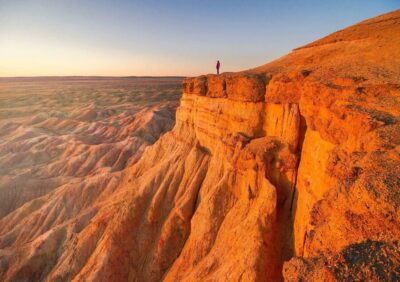
Travel to Gobi by train Visit World energy Center
Read our review →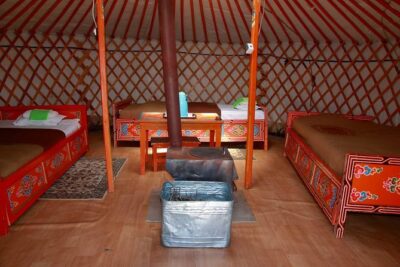
Browse the lists this tour appears in